Axolotl Water Temperature: Safe Range and How to Keep a Tank Cool
You can have an aquarium with plenty of space, a mature filter and spotless glass, yet still have a serious problem if the water is too warm. Axolotls depend on their surroundings to regulate their body temperature. A warm UK bedroom in July can push an otherwise suitable tank beyond its comfortable range.
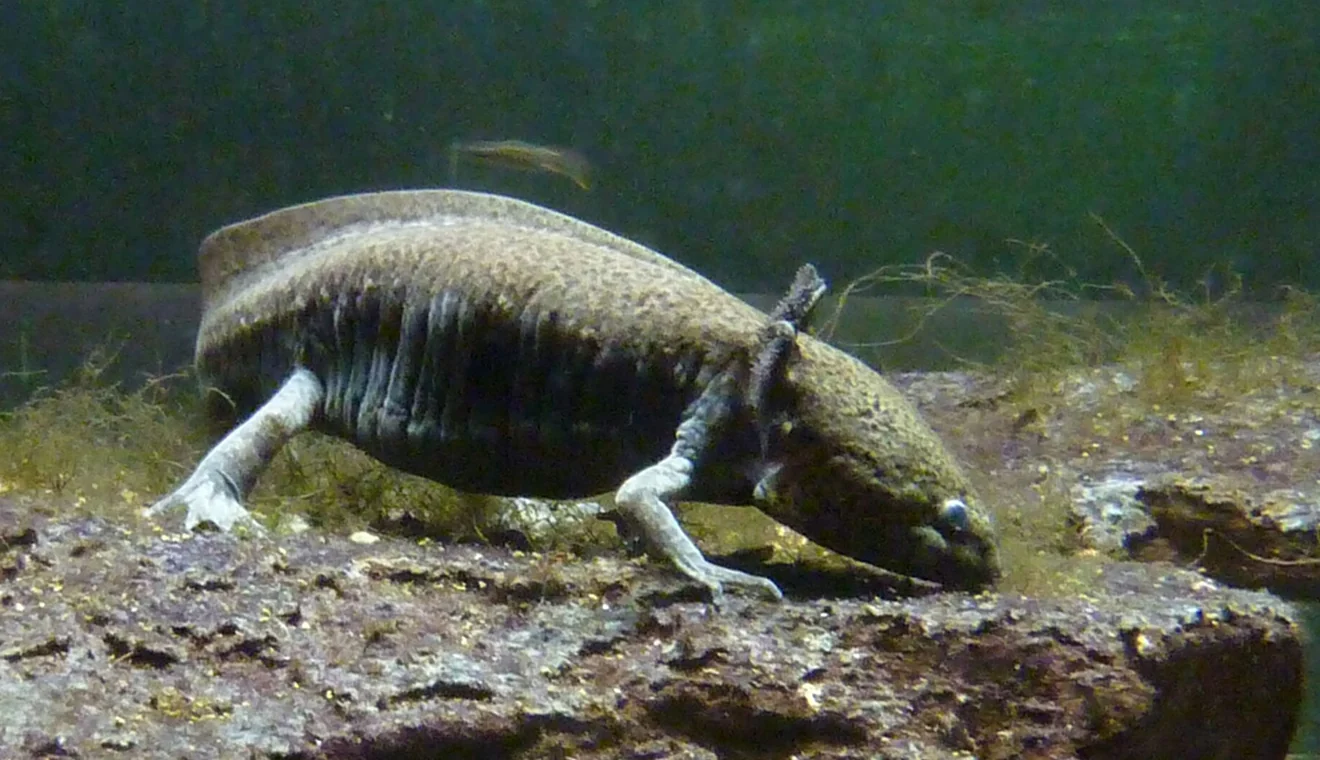
For a captive axolotl, plan to keep the water cool and stable, ideally around 16–18°C, while following the broader 12–20°C husbandry range described by Axolotl Central. Temperatures over 20°C are a warning to improve cooling, not an acceptable everyday target.
What temperature should axolotl water be?
Axolotl Central's detailed husbandry guide lists a range of 12–20°C. Its separate FAQ places emphasis on maintaining around 15–20°C. A steady mid-to-upper-teen temperature is a practical goal for most owners, avoiding the warm end whenever possible.
| Water temperature | What it means for most captive axolotls |
|---|---|
| Around 16–18°C | A useful target for a stable, well-managed tank |
| 12–15°C | Within the wider published care range; watch consistency and appetite |
| 19–20°C | Approaching the warm end; check cooling before temperatures rise |
| Above 20°C | Increasing risk of heat-related stress; take prompt action |
| Above 22°C for extended periods | Particularly concerning; seek specialist advice immediately |
| Around 24°C or higher | Potentially life-threatening; urgent veterinary or specialist help is appropriate |
These are husbandry guidelines, not a promise that a particular animal is safe at one exact temperature. Tank conditions, oxygen, health and duration all matter. If an axolotl appears unwell, contact an exotics vet regardless of the thermometer reading.
Why warm water is a problem
Warmer water holds less dissolved oxygen. At the same time, a cold-water amphibian's metabolism can speed up, increasing its oxygen needs. That combination is especially unhelpful for an animal with delicate external gills.
High temperature also affects stress and susceptibility to disease. You might notice restlessness, repeated visits to the surface, unusual gill appearance or reduced appetite, but these signs are not specific diagnoses.
Don't wait for obvious illness. A rising thermometer reading is itself enough reason to review the cooling system.
Temperature changes can also affect how toxic ammonia is in an aquarium, especially alongside pH. That is another reason to check water quality when anything changes.
Put the tank in the right room first
The cheapest cooling method is often prevention. Choose a room that stays relatively cool during summer, not simply one that looks nice next to the television.
Avoid direct sunlight, radiators, hot appliances and poorly ventilated loft bedrooms. A south-facing window may raise water temperature even when the rest of the house seems comfortable.
Watch the room across a full day. A thermometer reading at breakfast does not show how hot the water gets at 4pm or whether the tank cools overnight.
The aquarium should still sit on a secure, level stand, away from cleaning chemicals, household pets and busy areas. Do not put it somewhere unsafe simply to shave a degree off the temperature.
Use a thermometer you can trust
A clear digital aquarium thermometer is inexpensive compared with the cost of an emergency. Fit its probe according to the manufacturer's guidance and cross-check suspicious readings with another reliable instrument.
Measure the water, not only the room. Record the morning and late-afternoon readings for several days, particularly during the first summer.
If you are usually away at work, a minimum/maximum thermometer or temperature alarm can help reveal dangerous peaks. Make sure someone can act on any alarm.
Keep a simple record:
- Date and time
- Actual aquarium temperature
- Room temperature, if useful
- Cooling equipment running
- Any change in the axolotl's behaviour
- Ammonia and nitrite readings when water quality is in doubt
The pattern tells you whether a fan can manage the heat or you need a more reliable solution.
Aquarium fans: useful but not always enough
A clip-on aquarium fan blowing across the water surface can lower temperature through evaporation. Axolotl Central lists this as a common cooling method.
Its effectiveness depends on room humidity and airflow. In a humid room, evaporation is limited and the fan may do very little. Fans also increase water loss, so you must monitor the waterline and top up appropriately.
Use safe fittings and keep electrical connections away from splashes. Do not point a household fan into the tank in a way that risks falling, contamination or damage.
A fan is worth considering for modest temperature control, but it is not a dependable answer to every British heatwave.
When an aquarium chiller is the better investment
A properly sized aquarium chiller actively removes heat from the water. It may be the only reliable solution in an upstairs room, a house that holds heat overnight or somewhere with repeated summer heatwaves.
Before buying, check the manufacturer's rated cooling capacity, actual tank volume, room temperature and required water flow. A chiller rated for one situation may perform differently in another.
Plan the plumbing and space around it. Chillers can make noise, generate heat into the room and use electricity. Position them so warm exhaust air can escape rather than being trapped beside the tank.
If you cannot keep the aquarium cool reliably, delay getting an axolotl. The equipment is part of responsible ownership, not an optional luxury added after the animal becomes stressed.
What to do during a sudden heatwave
First, confirm the temperature with a reliable thermometer. Reduce direct sunlight, use suitable room cooling and check that the aquarium filter and aeration are working normally.
Axolotl Central describes properly prepared frozen dechlorinated water bottles as a possible short-term emergency cooling method. This requires careful monitoring and should not be your normal strategy. A rapid temperature swing or a leaking bottle may create further problems.
Never dump ordinary untreated ice straight into the aquarium. Don't put the animal into a refrigerator or freezer as a home remedy.
If the axolotl is lethargic, distressed, gasping or showing unusual physical signs, seek an exotics vet promptly. Follow professional advice while moving the tank towards safe, stable conditions.
Water changes and temperature
Fresh replacement water may be warmer or colder than your existing tank. Condition it and match its temperature as closely as is practical before adding it.
A sudden large water change with icy water is not a safe substitute for a cooling plan. It can cause an abrupt shift in temperature, water chemistry and other conditions.
Our Fish Tank Water Changes Guide covers the general freshwater method. For axolotls, always adapt the details to species-specific care requirements.
Keep the biological filter established. If you are changing water because ammonia or nitrite is elevated, investigate the filter and feeding routine too.
Tank size and cooling are connected
Larger volumes usually change temperature more slowly, but they are not immune to overheating. A 180-litre tank can still become dangerously warm after several hot days.
Tank footprint matters for an axolotl because it spends much of its time walking along the bottom. Read our Axolotl Tank Size Guide for the reason a wide tank is preferable to a tall, narrow model.
When planning equipment, use the Aquarium Volume Calculator to estimate actual litres. Remember that substrate and furnishings reduce the amount of water the tank holds.
Common temperature mistakes
Treating 20°C as a target
Twenty degrees is near the upper end of the published care range. Aim for cooler, steady water and act before it climbs further.
Trusting the room thermostat
The air temperature doesn't necessarily match the aquarium. Sun, heaters, lighting and equipment all affect the water.
Relying on frozen bottles every afternoon
That is an emergency workaround requiring close monitoring, not reliable long-term husbandry.
Adding tropical tankmates
Many tropical fish prefer temperatures unsuited to axolotls. Some may also nip gills or become prey. Species-only accommodation is generally safer.
Forgetting the filter during cooling changes
Biological filtration, oxygenation and regular water testing still matter when temperatures are controlled.
Axolotl temperature questions
Can an axolotl live at 22°C?
Prolonged exposure above 22°C is concerning according to Axolotl Central. Do not plan a permanent setup at that temperature; arrange effective cooling and seek expert advice if needed.
Do axolotls need heaters?
Normally not for a correctly maintained cool-water aquarium. The challenge in many UK homes is preventing overheating, not warming the tank.
Can I keep an axolotl in my bedroom?
Only if you can demonstrate that the aquarium stays appropriately cool year-round, especially on hot summer afternoons.
Is a fan the same as a chiller?
No. Fans rely largely on evaporation and room conditions; a chiller actively removes heat.
Make cooling part of the setup
The sensible sequence is straightforward: choose a cool room, measure its warmest conditions, install suitable cooling equipment and prove it works before bringing the axolotl home.
Stable water in the mid-to-upper teens gives you a more realistic welfare target than sitting at the maximum and hoping the weather improves.
Sources and further reading
- Axolotl Central: Axolotl Care Guide — husbandry temperature range, overheating and water parameters.
- Axolotl Central: Frequently Asked Questions — fans, aquarium chillers and emergency cooling precautions.