Bearded Dragon Enclosure Size: UK Adult Vivarium Guide
Bearded dragons grow into substantial, active reptiles that need room to move between heating zones, bask, forage and explore. A tiny starter vivarium may fit a young dragon, but it won't provide suitable space for life. For one adult bearded dragon, the RSPCA recommends a minimum enclosure of 120 cm long, 60 cm wide and 60 cm high. More usable space is preferable where you can heat and light it properly.
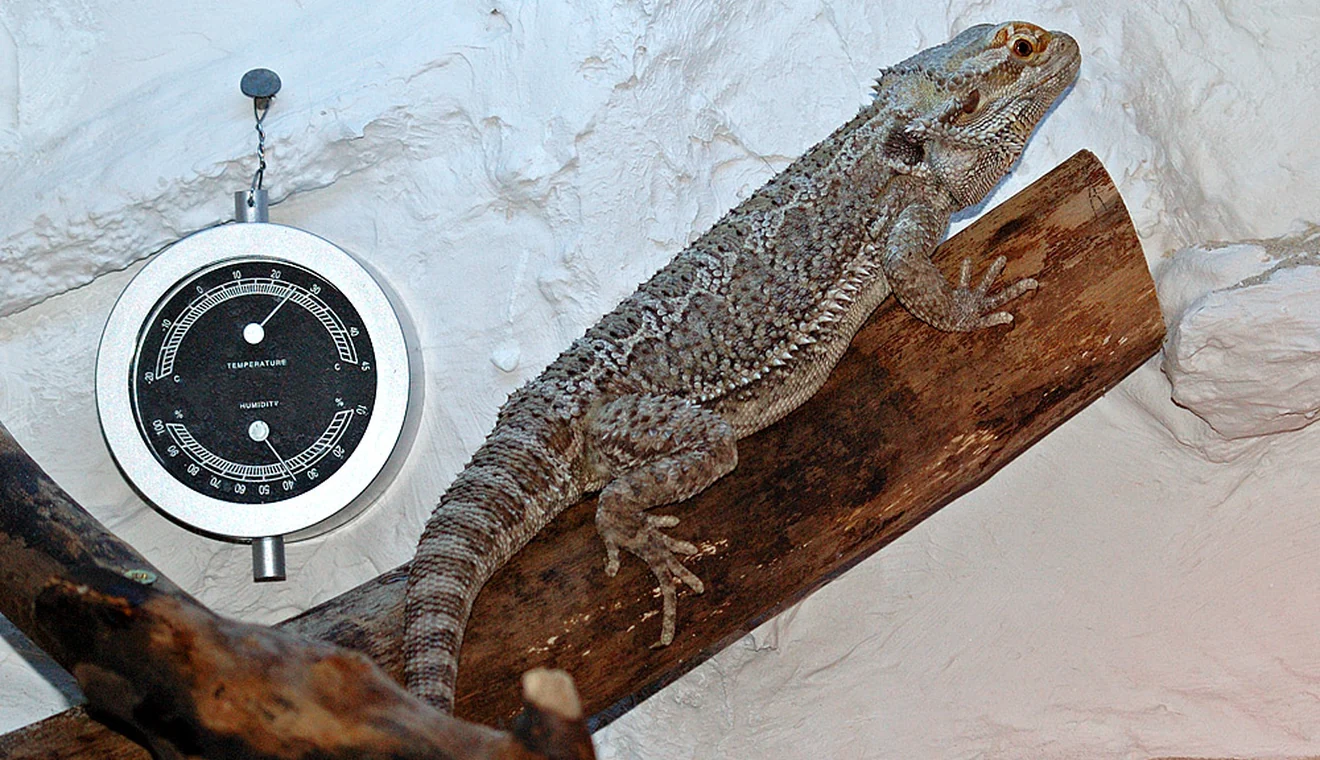
An enclosure's dimensions matter alongside the layout, UVB, temperature gradient and secure ventilation. A large box without correct environmental control isn't a suitable home either.
How big does an adult bearded dragon's vivarium need to be?
The RSPCA specifies 120 × 60 × 60 cm as a minimum for one adult, equivalent to roughly 4 × 2 × 2 feet. That gives the animal a chance to walk, turn, stretch and use different areas. It isn't a target maximum. Some keepers provide larger and more elaborate spaces, but any size must allow reliable basking, cooler retreats and access to suitable UVB illumination.
Why is floor area important?
Bearded dragons spend much of their day moving across solid surfaces and climbing modest structures. Length and width permit useful walking and foraging rather than simply giving the owner room to decorate. A taller, narrow enclosure does not replace sufficient floor area. The dragon should not have to choose between the basking area and its only hiding place. Our Bearded Dragon UVB Guide explains why the lamp's position matters.
Can a baby dragon start in a smaller tank?
Young dragons are often sold with smaller setups, but buying an adult-sized enclosure from the beginning may avoid a costly upgrade. The challenge is making food, water, temperature zones and hides accessible to a small animal, not filling every corner with difficult obstacles. If a temporary setup is used, plan the move before the dragon outgrows it. Avoid assuming a pet shop starter kit is automatically suitable for long-term use.
Should you measure the inside or outside?
Always check the usable internal measurements. External dimensions may include thick panels, built-in lighting compartments or decorative frames. Calculate floor area from the space the animal can actually use, and check whether fittings reduce headroom. Measure the enclosure before purchasing lamps and furnishings. An advertised four-foot unit might be substantially narrower than 60 cm, which may matter for turning and safe placement of equipment.
What materials should the enclosure use?
Solid, easy-to-clean materials that retain heat and allow ventilation are commonly used. The RSPCA advises a secure vivarium free from hazards and with suitable airflow to reduce respiratory risks. Glass, wood-based and purpose-built PVC designs have different heat and moisture characteristics, so choose equipment based on the full setup. Avoid sharp edges, untreated exposed fixings and openings through which the dragon might escape.
Does a larger vivarium need more heating?
Possibly, but the right answer depends on room conditions and the equipment's output. A large enclosure must still provide an accessible basking zone and cooler areas for thermoregulation. Use appropriate thermometers and a thermostat where required, and check the temperatures at the animal's level. Don't simply fit a more powerful bulb without measuring, because hot surfaces and radiant heat can cause burns or dehydration.
Leave space for a thermal gradient
The basking end and cooler end should allow the dragon to choose where to sit. The RSPCA explains that ectothermic animals regulate their body temperature by moving between warmer and cooler areas. Position a suitable basking source to one side rather than heating the entire vivarium equally. Multiple hides and platforms help the animal select the right environment without being trapped under one temperature. Check both zones after moving furniture.
How does UVB affect enclosure height?
UVB is not provided correctly just by buying a lamp with the word 'reptile' on its packaging. Output changes with distance, mesh, reflector and bulb age. Follow a suitable reptile lighting guide and the manufacturer's positioning advice, and avoid placing branches so close that the animal can touch or overheat the lamp. Our Bearded Dragon UVB Guide discusses lamps, replacement and safe exposure in more detail.
Provide hides at different ends
A bearded dragon should be able to retreat from view and choose a sheltered place without abandoning its temperature preferences. Provide sturdy hides or sheltered spots near suitable warmer and cooler zones. A hide must be large enough for the dragon to enter, turn and leave. Avoid caves with sharp internal edges or openings that could trap the head or limbs. Check that access remains comfortable as the animal grows.
Is climbing space important?
Bearded dragons may use low branches, rocks and stable raised basking platforms. Climbing adds variety and lets the animal select a preferred position. Secure heavy objects so they cannot fall, and keep the design suitable for the dragon's size and mobility. Unstable stacks of rocks, tall narrow branches and loose ledges increase injury risk. The enclosure should still have open floor space for walking and hunting appropriate food.
Can two bearded dragons share an enclosure?
Keeping two together can lead to competition for basking, food and hiding areas, and potential injury. Providing a slightly larger enclosure is not a guarantee that aggression will disappear. Many welfare guides recommend housing bearded dragons individually. Plan separate appropriate enclosures rather than assuming a pair will enjoy company. Watch for intimidation and blocked access to resources if animals are already housed together, and consult an experienced reptile vet about safe management.
What about outdoor housing in the UK?
Temporary supervised outdoor access in suitable weather is different from relying on a garden vivarium through unpredictable British conditions. Escape risk, predators, excessive heat, cold and fluctuating UV exposure all need consideration. Never leave the dragon in a glass tank in direct sunlight, where temperatures can rise quickly. Its regular enclosure still needs controlled heat and light. Ask a reptile-experienced professional before designing seasonal outdoor accommodation.
Choosing doors and ventilation
Front-opening doors can make routine maintenance easier and may feel less threatening than reaching from directly above. The actual type matters less than secure hinges, safe catches, reliable ventilation and access to every corner for cleaning. Leave no gaps around wires that could admit insects or allow escape. Keep electrical components protected and route cables safely. A vivarium that is awkward to clean may gradually become less hygienic.
How much room do furnishings take?
Hides, food dishes, natural branches, rocks and basking platforms all occupy usable floor space. Before buying, sketch the layout and check how much walking room remains. Hefty decorative items can look impressive in photos but leave a dragon squeezed between them. Heavy items should rest securely on the base rather than on deep loose substrate. Avoid using a small enclosure with fewer objects as a substitute for appropriate space.
What if your room won't fit 120 × 60 × 60 cm?
Consider waiting before acquiring the reptile rather than shrinking the animal's living space to fit a narrow shelf. Research housing cost, heat and electricity requirements before committing. An enclosure that fits today but cannot provide an effective thermal gradient will cause long-term problems. The animal may live for many years, so the space is a substantial commitment. There are other pet species with very different requirements, but they deserve appropriate accommodation too.
When should you upgrade an existing vivarium?
If your dragon cannot turn comfortably, the cool end is scarcely cooler than the basking end, or you cannot fit appropriate hides and UVB equipment, review the setup promptly. Large adults may also benefit from more room even when the enclosure meets an old minimum. Monitor appetite, activity, temperatures and shedding when making changes. Our Bearded Dragon Humidity Guide shows why environmental conditions still require attention after a size upgrade.
A practical buying checklist
Choose at least the RSPCA adult minimum for one dragon, verify usable internal dimensions, plan basking and cooling zones, select safe lighting and ventilation, and reserve space for hides and secure enrichment. Confirm that the enclosure can be accessed and cleaned easily. Buy suitable measuring equipment before the animal moves in. A properly planned habitat will make feeding, health checks and behaviour monitoring simpler for years.
Research and further reading
- RSPCA: how to care for your bearded dragon — adult 120 × 60 × 60 cm minimum and environmental needs.
- RSPCA: bearded dragon care sheet — enclosure dimensions, thermal gradient and hygiene.