Chicken Enrichment Ideas: Simple Ways to Keep Hens Busy
Watch a group of hens in a good outdoor run and you'll see that they rarely stand still for long. They scratch the ground, peck at small discoveries, dust bathe, explore sheltered corners and settle onto perches. These are normal needs, not optional entertainment.
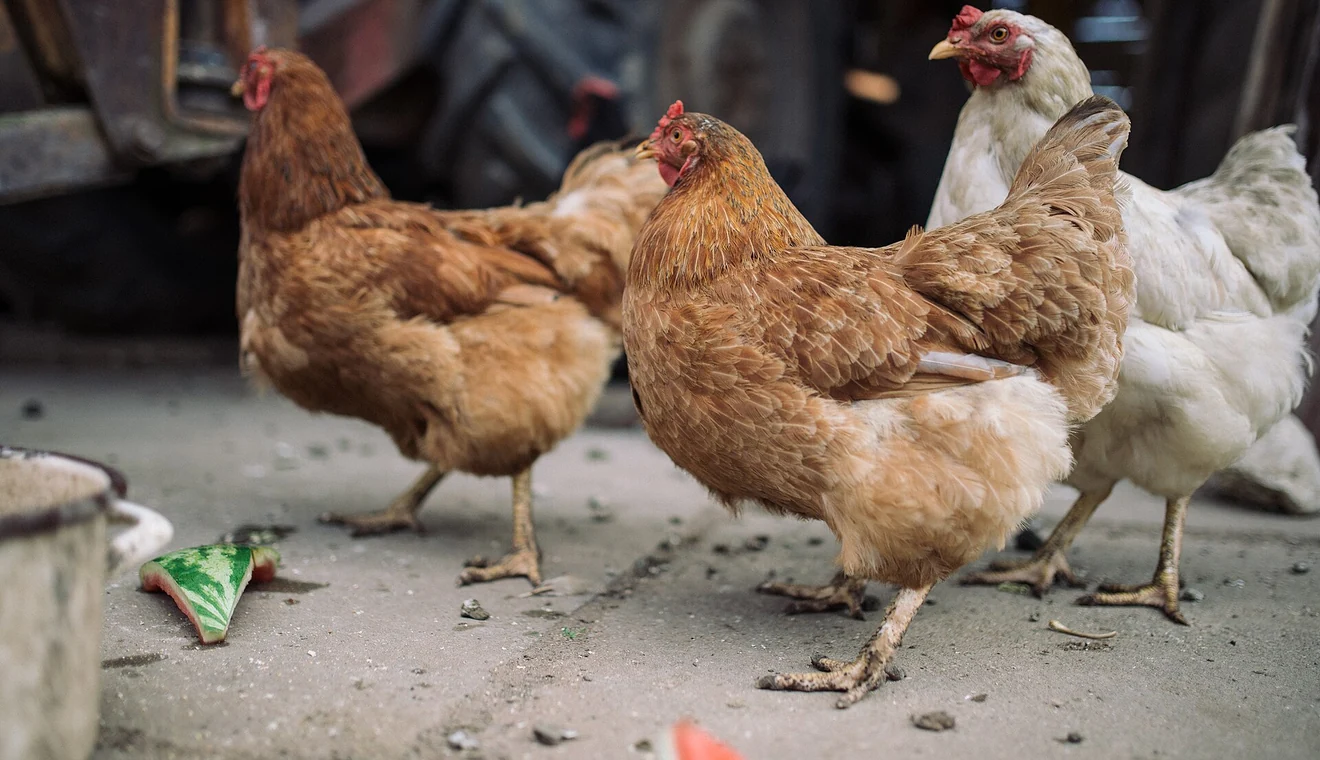
Good chicken enrichment gives hens chances to forage, dust bathe, perch and explore safely. It can make a big difference when the weather is miserable, the run is temporarily restricted or a flock has limited ground to investigate.
You don't need to buy a collection of novelty toys. A useful setup starts with dry ground, shelter, clean materials and activities the birds already understand.
Start with space and proper housing
Enrichment cannot compensate for overcrowding, poor ventilation, a muddy run or competition for food and water.
The RSPCA recommends sufficient coop and outdoor run space for hens to move and perform their normal behaviours. A secure house needs appropriate perches, nest boxes and clean, dry bedding, with protection from predators.
Check that every bird can access food, water and resting space without being constantly pushed away by more dominant hens. A new toy is not a solution to one hen being bullied.
When planning outdoor activities, also follow the current UK avian-influenza rules for your area. Requirements can change, and some periods may involve housing or biosecurity measures. Consult GOV.UK's avian influenza guidance rather than assuming that free-ranging is always permitted.
Scatter feeding and foraging
Scratching and pecking are central to a chicken's day. A small amount of the flock's appropriate feed scattered through clean, dry litter can encourage searching.
Don't scatter food where the ground is wet, contaminated with droppings or accessible to rodents. Use an easy-to-clean sheltered area instead.
You can also offer a shallow tray of clean substrate for pecking. Add a modest amount of normal feed or approved edible forage and watch whether all hens can participate.
Treats should remain a small part of the diet. Commercial layers' feed must provide the main nutrition for laying birds. Too many extras can unbalance intake and reduce consumption of a complete ration.
Are kitchen scraps allowed in the UK?
Do not give household kitchen waste or catering waste to poultry. UK animal by-product rules restrict feeding domestic poultry from kitchens and food-preparation premises, even where scraps appear to be vegetable-only.
The British Hen Welfare Trust notes that a cabbage purchased and kept specifically for the hens, without passing through the household kitchen, is different from feeding kitchen scraps. Follow the current rules and ask Defra or APHA if your situation is unclear.
Make a dust-bathing area
Hens dust bathe to maintain their feathers and skin. You may see them settle onto their side, scratch dry material into their plumage and shake it back out.
Provide a covered, dry area with suitable loose soil or sand so they can use it even during wet weather. A robust low-sided container or a sheltered patch of ground can work.
Keep it free from sharp objects, chemicals, spoiled material and faeces. Replace the contents if it becomes soaked or contaminated.
Don't add powdered chemicals, insecticides or large clouds of dusty material simply because a social media recipe recommends them. Natural dust bathing does not replace veterinary treatment for mites or lice.
Use perches at different safe heights
Hens naturally like to rest above the ground. Perches provide a place to roost, observe the flock and move away from ground-level commotion.
Place suitable perches securely and at heights appropriate to the birds' breed, age and mobility. Heavy hens and those with sore feet may need lower, broader access.
RSPCA guidance includes perches as an important feature of chicken housing and enrichment. Avoid slippery thin poles or heights where birds could injure themselves when jumping down.
Leave enough space around the perches that birds can land without crashing into feeders, walls or one another.
Offer safe pecking objects
Pecking blocks sold for poultry can give hens an activity that engages their normal beak use. Choose products from reputable suppliers and check whether they contain extra calories or minerals.
The British Hen Welfare Trust points out that some pecking blocks can be fattening, so they should not be the main food source.
A tightly secured bunch of appropriate fresh greens can also encourage pecking. Hang it at a comfortable height where birds don't have to leap or pull hard enough to topple the fixing.
Remove damaged fixings and any loose string that might entangle feet or be swallowed. Check the treat has not spoiled.
Straw bales, low barriers and sheltered corners
A clean, dry straw bale can become a place to investigate, hop over or search around. It may also create visual separation in a run where several hens share the same space.
The British Hen Welfare Trust suggests straw bales as a simple activity, especially when hens spend more time in covered areas during bad weather.
Position bales so they cannot fall onto birds or block entrances. Replace damp or mouldy material. Don't use a bale that has been treated with unknown agricultural chemicals.
Low logs, stable platforms and sheltered planting can also create useful variety. Ensure the materials are safe and free of loose nails or sharp edges.
Create cover that encourages exploration
Chickens are prey animals as well as inquisitive foragers. Open areas without cover can make birds reluctant to move away from the coop.
Small shrubs, purpose-built shelters and overhead shade encourage hens to use more of the run. They also help during hot or wet weather.
Use only plants known to be safe for poultry and protect young plants from being uprooted. Keep predator-proof fencing and netting intact.
The RSPCA highlights trees, shrubs and covered areas as valuable for welfare. A run with several interesting zones is more useful than a bare rectangle with one feeder at the far end.
Enrichment for hens that must remain indoors
Poor weather, veterinary advice or temporary disease-control measures can restrict outdoor access. That doesn't mean the birds should be left without normal activities.
Provide safe dry litter for scratching, accessible perches, a dust bath where practical, suitable pecking objects and enough protected space for every bird.
Rotate an item occasionally if the hens lose interest, but avoid constantly changing their whole environment. Predictability and access to resources still matter.
Keep air quality and lighting appropriate. Indoor enrichment is not a reason to disregard ventilation, litter maintenance or hygiene.
A simple weekly chicken enrichment plan
| Day or occasion | Low-cost activity |
|---|---|
| After cleaning the run | Refresh a dry foraging tray and scatter a little normal feed |
| Wet weather | Refill a sheltered dust bath and check bedding dryness |
| A quiet afternoon | Add an approved hanging vegetable or safe pecking block |
| During coop inspection | Check perch stability and remove worn fixings |
| When ground is worn bare | Rotate access to a safe sheltered section or add suitable clean litter |
| Any day | Observe whether shy hens can reach the activities without being bullied |
The goal is variety across time, not six new items every day.
Signs the setup needs more than a toy
Feather pecking, repeated aggression, persistent avoidance of one bird, overgrown claws, lame walking or abnormal droppings require a closer look at flock health and housing.
Pecking at flockmates may be linked to stress, nutrition, space, illness or multiple factors. A colourful dangling object alone will not solve it.
If feather damage, wounds or serious bullying occur, separate injured birds safely as advised and contact a poultry-aware vet or appropriate welfare organisation. Our vet appointment preparation guide can help you record the flock changes, injuries and housing conditions that are useful to describe.
Enrichment is valuable, but it works as part of good husbandry.
Common chicken enrichment mistakes
- Feeding household kitchen scraps in breach of UK rules.
- Hanging vegetables with long strings or insecure fastenings.
- Filling a muddy run with objects that cannot be cleaned.
- Creating high perches that heavy birds struggle to leave safely.
- Replacing the complete feed with treats.
- Ignoring current bird-flu biosecurity instructions.
- Providing only one pecking object for a large flock where competition develops.
Questions about chicken enrichment
Do chickens need toys?
They need opportunities to perform natural behaviours. Some purpose-made toys can help, but dry foraging substrate, safe cover, perches and dust baths are often more important.
What can I put in a chicken run when it's raining?
A covered dust bath, dry scratching area, secure perches and a suitable pecking block are practical options. Fix drainage and wet bedding before buying more objects.
Can I hang a cabbage for chickens?
A suitably sourced cabbage prepared for hens may be used as an occasional enrichment food, but it must comply with current UK restrictions on kitchen and catering waste. Keep the fixing secure and the food fresh.
Will enrichment stop feather pecking?
It may help reduce stress and encourage more normal activity, but feather pecking can have several causes. Investigate nutrition, housing, flock relationships and health.
Give hens more of what hens do naturally
The best activities are not complicated: scratching, foraging, dust bathing, perching and exploring sheltered spaces. Provide those safely, keep the run clean and watch how the flock uses it.
Start with one useful improvement, such as a dry dust bath or foraging corner, before buying a basket of gimmicks. Good enrichment is about how the hens live each day.
Sources and further reading
- RSPCA: Keeping chickens as pets — housing, perching, dust baths and outdoor space.
- British Hen Welfare Trust: Winter gardens for chickens — practical pecking, straw and dust-bathing enrichment.
- GOV.UK: Code of practice for the welfare of laying hens — natural behaviours, housing and suitable enrichment.