Cockatiel Diet: Pellets, Seeds, Vegetables and Feeding Tips
Cockatiels are known for enjoying millet and other seeds, but a bowl of seed mix alone isn't a balanced diet. Like other small parrots, they need suitable nutrients for healthy feathers, bones and everyday activity.
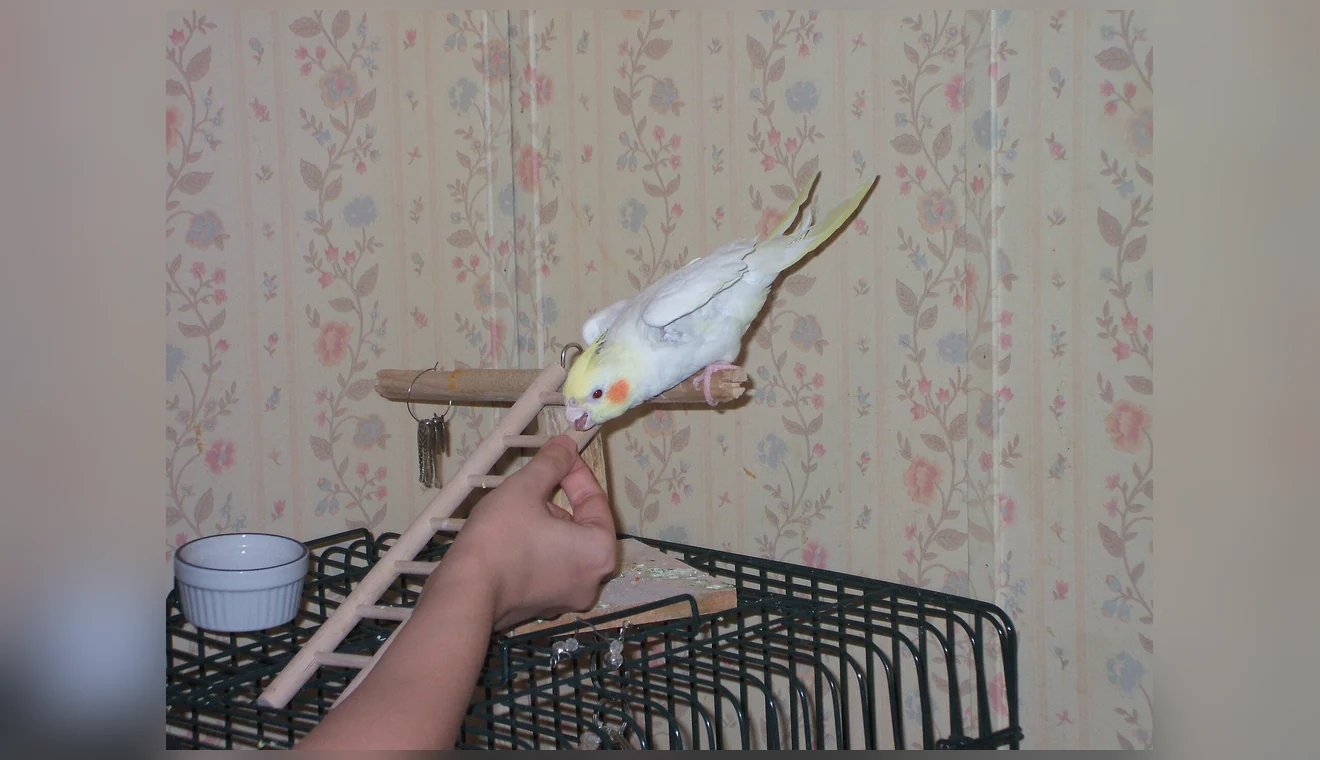
A good cockatiel diet is built around an appropriate complete pellet food and a variety of safe fresh vegetables, with a small amount of seed. The RSPCA specifically notes that cockatiels need some seeds, but recommends keeping them to no more than about one-tenth of the diet.
What should a cockatiel eat every day?
The RSPCA advises a combination of nutritionally complete parrot pellets and suitable fresh vegetables and fruits, with small seed portions for species including cockatiels.
| Food | Purpose | What to watch |
|---|---|---|
| Suitable complete small-parrot pellets | Reliable nutritional foundation | Choose a cockatiel-appropriate formulation |
| Fresh vegetables | Variety and foraging | Wash; rotate suitable choices |
| Limited seeds | Normal feeding behaviour and rewards | Avoid unlimited seed bowls |
| Small portions of fruit | Occasional variety | Remove unsafe pips or stones |
| Fresh clean water | Daily hydration | Change and clean bowls regularly |
Exact amounts depend on the food product, body condition, activity and medical needs. An avian vet can help assess the right ration for an individual bird.
Do not use an adult human calorie calculator or a generic percentage from another animal species.
Why a seed-only diet is a poor choice
Many commercial seed mixes are high in fat and energy but do not provide all the vitamins, minerals and essential amino acids a pet parrot needs.
Birds may select their favourite fatty seeds and leave less appealing components behind. That makes the diet even less balanced than the packet suggests.
The RSPCA warns that long-term seed-heavy feeding can contribute to obesity and nutritional deficiencies.
This doesn't mean seeds are poison. Cockatiels should have a carefully limited amount as part of a broader feeding plan.
How much seed should a cockatiel have?
The RSPCA recommends that cockatiels, budgies, lovebirds and other smaller parrots have some seeds each day, but that seeds should form no more than approximately 10% of the diet.
This is a welfare guideline, not permission to measure nutrition by filling 10% of a large bowl with seed. Different foods vary in weight and calorie density.
Use an appropriate complete pellet food as the foundation and ask an avian vet for advice on portions, particularly if your cockatiel is overweight or has a known health condition.
Millet spray is useful as a small training reward; don't hang a large spray permanently in the enclosure if it leads to excessive seed intake.
Switching a cockatiel from seed to pellets
Never abruptly remove all familiar seed food from a bird that doesn't recognise pellets as food. A cockatiel may refuse the unfamiliar option and become dangerously underfed.
The RSPCA recommends talking to an avian vet before starting a food conversion, then changing over gradually while monitoring the bird's weight and droppings.
Offer a small amount of pellets alongside the normal familiar food. Try different suitable shapes or textures, but keep a close record of what is actually eaten.
A scale accurate to a gram can be useful under veterinary guidance. If the bird loses weight, becomes quiet or produces fewer droppings, contact the vet promptly.
Expect progress to vary. One bird may accept pellets readily, while another needs weeks of positive introduction.
Vegetables suitable for cockatiels
Appropriate washed vegetables can add variety and make feeding more interesting. The RSPCA lists options such as carrot, broccoli, peas and sprouts for pet parrots.
Chop items into manageable pieces or offer a small whole section suitable for exploration.
Introduce new foods gently. Some birds will avoid a green vegetable but investigate the same food cut differently or placed in a safe clip.
Don't season the food, add oil or salt, or offer vegetables cooked with butter and sauces.
Remove wet leftovers before they spoil and keep preparation surfaces clean.
Fruit: small additions rather than a staple
Suitable fruit can be offered in limited amounts. Washed berries or a small piece of de-seeded apple can provide variety.
Fruit contains sugar and shouldn't crowd out vegetables or complete pellets.
Remove unsuitable stones and pips, and never feed unidentified berries from the garden.
If the bird appears especially keen on fruit, use that interest carefully as an occasional reward rather than replacing the normal balanced ration.
Foods cockatiels should never eat
Avocado is poisonous to parrots according to RSPCA guidance. Never offer it, even in a small amount.
Also avoid chocolate, alcohol, caffeinated drinks, salty human snacks and unknown houseplants. Some foods have harmful seeds or plant parts despite the edible flesh being suitable for humans.
Don't let a curious bird share a plate of seasoned leftovers. Onion, garlic, salt and cooking fats may be inappropriate.
If you suspect ingestion of a toxic item, contact an avian vet urgently and describe what the bird may have swallowed.
How to serve meals safely
Provide clean food and water in a safe area away from droppings. Rinse bowls daily and replace contaminated water promptly.
In a cage with several birds, offer more than one feeding position where practical so a dominant bird cannot prevent another from eating.
Watch the actual food intake. A seed bowl filled with empty husks may look full even though little edible food remains.
For new or nervous birds, keep familiar feeding points while gradually adding new foods or foraging opportunities.
Food enrichment without overfeeding
Cockatiels enjoy investigating and manipulating objects. Hide a small portion of their ordinary pellets in a clean paper puzzle or purpose-made foraging tray.
Start with the food visible so the bird can succeed. A very difficult puzzle may discourage an inexperienced bird.
Use bird-safe materials without sharp fittings, loose long loops or tiny detachable parts.
Our Safe Budgie Toys Guide discusses general small-parrot toy hazards, but check size and suitability specifically for cockatiels before using any item.
Treats used in training should be included in the day's overall food allowance.
Weight and body condition
Cockatiels differ in build, activity and medical history. There is no universal healthy gram weight for every bird.
Ask an avian vet to assess body condition and recommend an individual weight range. Recording a morning weight may help detect changes during a diet conversion.
A sudden loss of appetite, visibly reduced droppings, prolonged fluffing up or difficulty breathing needs prompt veterinary attention.
Don't assume a bird that is quiet after a change of food is just being stubborn.
Calcium, minerals and supplements
A properly balanced complete diet helps provide essential nutrients. Adding multiple supplements without advice can create imbalances.
Egg-laying females may have special calcium demands, but the correct response is veterinary assessment and an appropriate husbandry plan—not simply doubling supplements.
A cuttlebone or mineral product may be useful in some setups, but ask an avian vet whether the animal needs it and how to provide it safely.
Do not assume that grit or loose mineral powders are essential for every cockatiel.
Cockatiel feeding in pairs
Compatible cockatiels may share an enclosure or flight area, but their diets still need individual attention.
Offer enough safe feeding stations and observe both birds. One may be confident and eat immediately; the other may wait until the room is quiet.
Watch for a bird losing weight, being repeatedly driven away from food or hoarding particular seeds.
If birds are breeding or egg laying, consult an avian vet for species-specific diet guidance.
Common cockatiel diet mistakes
Leaving a full seed bowl available all day
Selective feeding can make the diet unbalanced.
Switching suddenly to pellets
The bird may not recognise them as food and can become underfed.
Feeding avocado or unknown berries
Some human foods and plants are toxic to birds.
Adding vitamin powders without guidance
Excess supplementation can be harmful.
Confusing food variety with extra calories
Introduce suitable foods as part of the normal daily ration.
Cockatiel diet questions
Can cockatiels eat millet every day?
A small seed allowance is appropriate, but millet should not dominate the diet. Use it sparingly as a reward.
Is fruit necessary?
Suitable fruit can add variety, but it should be a small part of the diet. Vegetables and balanced pellets are more important.
Are pellets better than seed-only diets?
A complete appropriate pellet diet offers a more reliable nutrient balance, provided the bird actually eats it. Transition carefully under avian veterinary guidance.
Can cockatiels eat budgie food?
Some foods overlap, but don't assume every budgie product is appropriate as the complete daily diet for a cockatiel. Choose a suitable formulation and ask an avian specialist if unsure.
Build a diet the bird will actually eat
Choose a proper cockatiel pellet, offer suitable fresh vegetables, retain a limited seed allowance and monitor the animal's actual intake.
A balanced routine matters more than colourful treat sticks. Gradual changes, clean feeding stations and veterinary advice when needed protect both nutrition and welfare.
Sources and further reading
- RSPCA: What to Feed Your Pet Bird — pellet and vegetable guidance, limited seed allowance and toxic foods.
- RSPCA: Enrichment for Pet Birds — species-appropriate foraging and stimulation.