Dog Breath Smells Bad: Causes, Dental Problems and What Helps
A dog doesn't need minty breath, but a strong rotten, fishy or unusually sweet smell isn't something to cover with a dental treat and forget. Persistent bad breath in dogs deserves a veterinary check, because gum disease and painful teeth are common causes. Less often, illness elsewhere in the body can change the smell too.
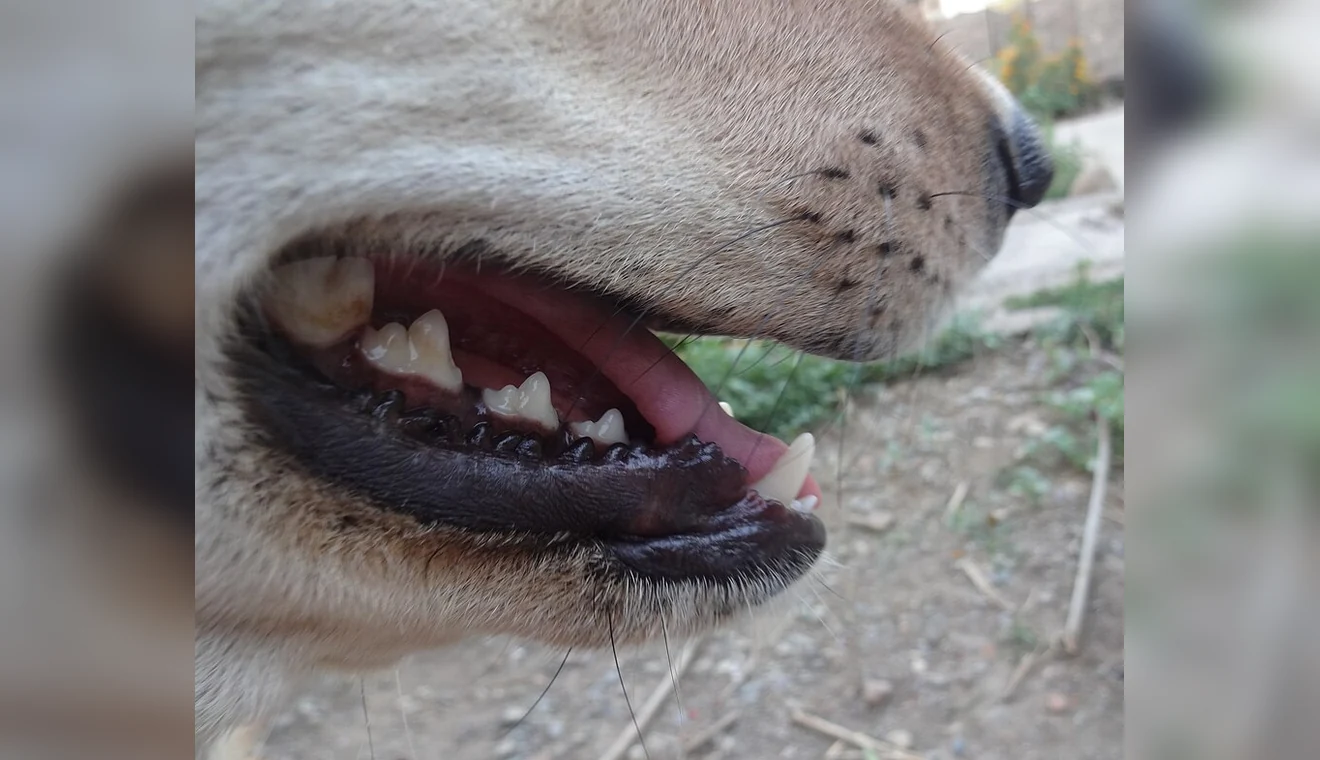
The useful question is not simply how to freshen breath. It's whether your dog has a mouth problem that needs treatment, and how to keep the mouth healthy once the vet has checked it.
What counts as bad breath?
A faint smell after a meal can be unsurprising. Halitosis means a persistent, unpleasant odour that doesn't clear quickly. If your dog used to have little noticeable smell and now its breath makes you turn away, treat that as a change worth investigating. Older dogs are not automatically supposed to have foul breath.
PDSA identifies dental disease as the most common cause, including inflamed gums, tartar, infection and tooth-root abscesses. Dogs may keep eating through substantial dental pain, so a normal appetite alone is not reassurance.
Check for other signs of dental disease
Look for yellow-brown tartar, red or bleeding gums, drooling, a broken tooth, one-sided chewing or food falling from the mouth. Some dogs approach the bowl eagerly then hesitate once they try to chew. Others prefer softer food, become irritable when the face is touched or avoid hard toys. Swelling around the cheek or beneath an eye can indicate a more serious tooth problem.
Do not force the mouth open to search for damage. A painful dog may bite defensively. Contact your vet for an examination, especially if the mouth is bleeding or your dog is struggling to eat.
Why brushing helps, but isn't a treatment for infection
Plaque forms continually as bacteria accumulate on tooth surfaces. When allowed to build up, it contributes to gum inflammation and tartar formation. Gentle daily brushing with dog-specific toothpaste is a useful preventive routine, but it cannot repair damaged teeth or remove disease beneath the gum line.
Our dog teeth cleaning guide explains how to introduce a brush gradually. If your dog already has red gums, a loose tooth or pain, arrange veterinary assessment before starting vigorous brushing. Scrubbing an inflamed mouth often makes the animal fearful of future care.
Could the smell mean something other than teeth?
Sometimes. PDSA notes that kidney problems may cause breath to resemble ammonia, while diabetic complications can produce a sweet, fruity or solvent-like odour. A smell alone is not a diagnosis: there may be diet-related odours, material stuck in the mouth or other illness.
Tell the vet about increased drinking, weight change, vomiting, energy or appetite loss. A dog with an odd breath smell and marked lethargy needs more urgent help than one whose only sign is slowly worsening dental odour. Our senior dog feeding guide explains how appetite and weight changes can become important in older animals.
Is fishy breath always an anal-gland problem?
Not necessarily. Dogs may lick their rear end and transfer odour to the mouth, but fishy breath can also reflect dental or dietary issues. Check whether the dog is scooting, licking under the tail or has a persistent foul smell around the rear. Our dog anal-gland guide explains the different causes of scooting and why you shouldn't express glands without a reason.
Don't assume every fishy smell means a gland is blocked. The mouth and bottom are separate possible sources, and a vet can check both if necessary.
What the vet may examine
The vet will look at teeth and gums as far as the dog comfortably allows, note any swelling and review the animal's general health. If significant dental disease is suspected, a proper examination, dental radiographs and treatment under anaesthesia may be recommended. The extent of treatment depends on the findings; a surface scrape at home isn't an alternative.
If symptoms suggest an illness beyond the mouth, the vet may propose blood or urine tests. Be open about cost concerns and ask what each test or treatment is intended to identify. A clear diagnosis makes preventive routines much more useful.
Avoid mouthwash, human toothpaste and hard chews
Human toothpaste and mouthwash aren't designed for animals that swallow the product and may contain harmful ingredients. Never use essential oils, bleach or household cleaners on a dog's teeth. Very hard chews, antlers and bones can fracture teeth even if they seem effective at scraping tartar. A broken tooth is painful and can require expensive treatment.
Choose dog-safe products and ask your vet what actually has evidence behind it. A product that briefly masks odour isn't proof it reduces plaque or treats gum disease.
What about dental sticks and water additives?
Some specialised diets and dental chews can help as part of a preventive routine, but quality varies considerably. Consider the size and chewing habits of your dog and supervise treats that could be swallowed in large pieces. Treat calories count towards daily intake. Additives should be appropriate for dogs and not used as a substitute for an oral exam.
The most important distinction is between prevention and treatment. A dog with an abscess needs veterinary care; a dog with a healthy mouth can benefit from a consistent brushing habit and suitable maintenance products.
Helping a nervous dog accept mouth checks
Begin by rewarding brief touches around the cheek while the dog is relaxed. Progress to gently lifting a lip for a second, then letting the dog move away. Practise without a brush first. Stop if the animal freezes, growls or attempts to escape. Avoid wrestling the mouth open or holding the head tightly.
If handling became difficult suddenly, think about pain rather than assuming a behaviour problem. Your vet can advise on examination and how to restart gentle training after any dental treatment. Short successful sessions are more valuable than a prolonged struggle.
Can puppies have bad breath?
Puppy teeth change as the adult teeth emerge, and some mild temporary odour can occur, but persistently foul breath or significant pain isn't something to dismiss. Retained baby teeth, broken teeth and something trapped in the mouth are all reasons to ask a vet. Our puppy teething guide covers the usual transition without treating every symptom as harmless.
Give young dogs safe chew options and teach face handling early. Avoid using a hard chew as a test of whether the puppy's mouth is healthy.
A practical next step
Book a vet check for persistent bad breath, particularly if you see red gums, tartar, drooling or difficulty eating. Once any disease is treated, build a gentle brushing routine, choose sensible chews and monitor for changes. Don't chase a particular smell with home remedies; look for and address its cause. Healthy teeth and a comfortable mouth matter far more than artificially perfumed breath.
Sources and further reading
- PDSA: Bad breath in dogs — dental and non-dental causes.
- PDSA: Dental disease in dogs — symptoms, examination, brushing and treatment.
- PDSA: Mouth pain in dogs — discomfort signs and when to seek care.