Dog Itching Paws at Night: What to Check and When to Call the Vet
A dog who settles happily all evening but starts chewing their feet as soon as the lights go out can keep the whole house awake. The sound is hard to ignore. More importantly, repeated licking is often a sign that something is irritating the skin.
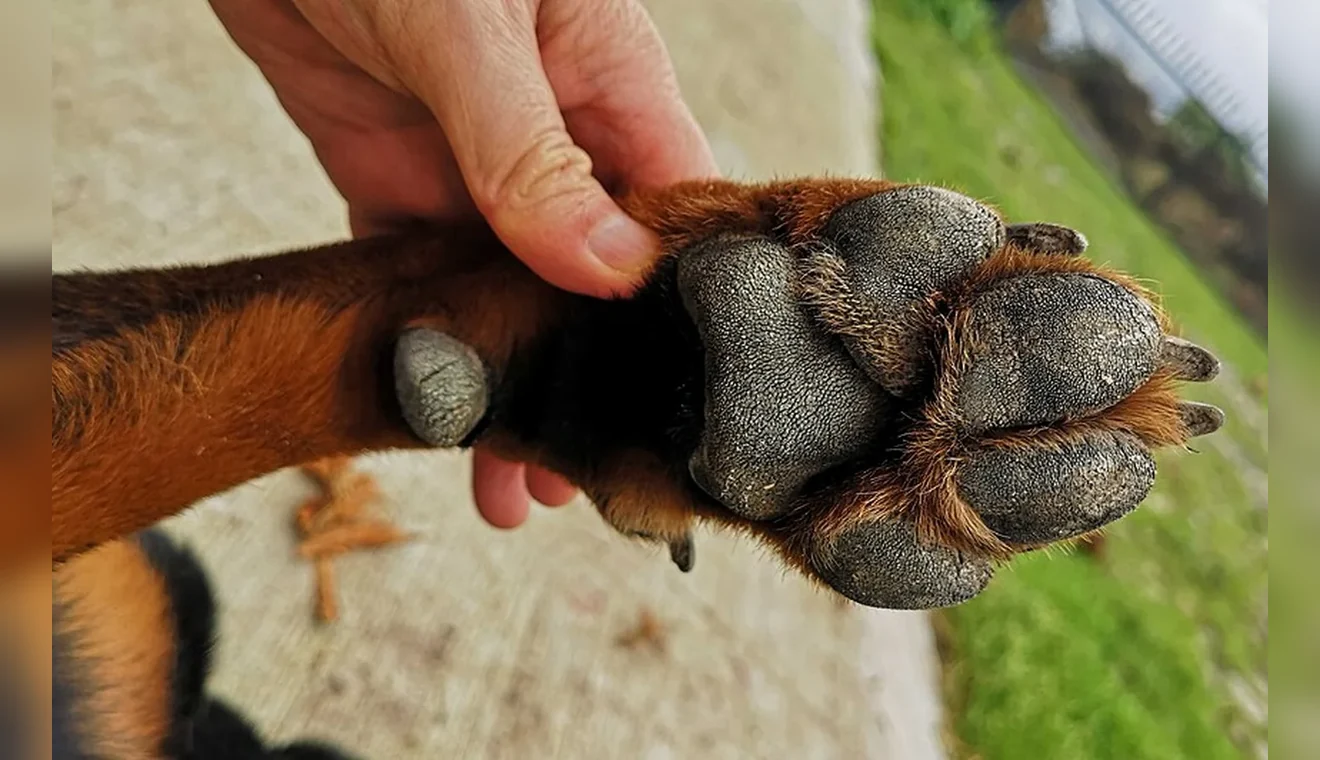
If the skin is red, sore, swollen, bleeding or becoming bald, contact your vet. Persistent itching is not simply a habit to train away. A dog can have more than one cause of irritation at once, so guessing at a single trigger often wastes time.
A rapidly spreading, red and wet patch may be a hot spot rather than simple itchy skin; our dog hot spots guide explains why a vet check is important.
Why paw licking seems worse at bedtime
There may be less going on to distract your dog when everyone has settled. You notice the licking more readily too. A paw that itches after a walk can feel particularly uncomfortable after an evening spent lying still.
Look at timing rather than assuming that nighttime itself is the cause. Did the licking start during pollen season? After a new floor cleaner? Following a muddy walk? Is the dog chewing one foot, or all four? A short record of those details gives your vet a much better starting point than a photograph alone.
Common causes of itchy paws
Environmental allergies are one possibility. Pollen, grass, house dust mites and other allergens can make a dog scratch or lick, sometimes affecting the feet, ears and belly together. Allergies tend to recur, but they are not the only explanation.
Fleas and other parasites can trigger intense itching. You may never see a flea, especially when a dog grooms frequently. Check whether parasite prevention is up to date and ask your veterinary practice what is suitable for your animal.
Yeast and bacterial infections can develop on irritated or damp skin. Clues include a strong smell, redness between toes, greasy skin or a change in colour. These signs need assessment rather than an over-the-counter cream chosen at random.
Contact irritation can occur after exposure to road grit, cleaning products or substances encountered on walks. Injury matters as well: a grass seed, broken nail, splinter or sore pad may cause persistent licking of just one paw.
How to examine your dog's paws safely
Choose somewhere well lit and wait until your dog is relaxed. Never force an anxious or painful dog to tolerate an examination. Lift one foot gently and look at the top, underside and spaces between the toes.
Check for small cuts, cracks, swelling, foreign material and damaged claws. Look for similar changes on the other feet, then notice whether the ears, armpits or belly are irritated too. If your dog pulls away sharply, yelps or refuses to bear weight, stop and call the vet.
Take clear photographs before applying anything. An image of the same area a day later may help show whether swelling or redness is spreading.
What you can do after a walk
If your dog has walked through mud or ordinary environmental dirt, gently rinse the paws with lukewarm water and pat them dry, particularly between the toes. Avoid frequent harsh washing, perfumed shampoos and vigorous rubbing. Constant washing may make compromised skin worse.
Keep bedding clean and check whether any new detergent, carpet spray or household product coincided with the problem. Do not put socks or boots on inflamed feet without guidance: trapped moisture can aggravate some skin conditions.
If your dog is compulsively chewing a sore area, ask your veterinary practice how to prevent further damage safely while awaiting an appointment.
Why home remedies can make things worse
Online suggestions range from apple cider vinegar to essential oils and human anti-itch creams. They are poor substitutes for finding the cause. Some are irritating, some are toxic if licked, and others can interfere with treatment.
Human painkillers and allergy medicines should not be given to a dog unless a vet specifically advises them. The correct product and dose depend on the dog and the diagnosis.
A vet may examine the skin, check for parasites, investigate infection or suggest an allergy-management plan. Treatment that works for yeast will not necessarily help a lodged grass seed or a nail injury.
When is an appointment needed?
Speak to your vet when licking is persistent, returning repeatedly or affecting sleep. Do not wait for a scheduled appointment if there is significant swelling, severe pain, bleeding, a discharge, a torn nail or lameness.
If the paw is hot and badly swollen, your dog seems unwell, or the symptoms developed suddenly after a possible sting or injury, phone the practice promptly. Breathing difficulty or collapse requires emergency care.
You can make the consultation easier by noting when licking began, which paws are affected, recent walks, diet changes, parasite treatments and any other itchy areas.
One paw or all four? How that changes the clues
A single suddenly painful paw makes a local problem—such as a cracked nail, thorn, grass seed or cut—particularly important to investigate. Look for swelling, bleeding or a new limp. Do not probe under the skin with tweezers or cut into a swollen toe.
Licking across several feet, especially with itchy ears or belly, can be more consistent with wider skin irritation or allergies, although only a veterinary examination can distinguish these possibilities.
| Pattern | Useful information to tell the vet |
|---|---|
| One paw, sudden onset | New injury, thorn, torn nail or foreign body |
| Several paws, seasonal episodes | Pollen, grass or environmental exposure |
| Paw licking plus ear irritation | Could suggest a broader skin/allergy problem |
| Brown saliva staining, odour or redness | May indicate prolonged licking or secondary infection |
| Licking associated with stiffness | Pain should be considered as well as skin irritation |
A dog who is chewing until the skin breaks needs help promptly. Repeated licking can worsen inflammation and create an infection even when the original cause was minor.
Preventing repeat episodes
Once the cause is known, prevention becomes more practical. Your vet may recommend consistent parasite control, adjustments to skin care, targeted treatment or longer-term allergy management. There is rarely one universal product that stops every itchy paw.
Check feet after walks through long grass, especially during grass-seed season. Keep nails at a comfortable length, dry damp feet gently and inspect irritated skin before it develops into an open wound.
If your dog is struggling with car travel or anxiety, you may notice extra licking at stressful times; that is useful information, but stress should not be used to explain away a medical problem.
Questions owners often ask
Why does my dog lick only one paw?
A local issue such as a broken claw, foreign object, cut or infection is particularly important to rule out. Gently look for obvious injury but do not probe swollen skin. A vet can examine between the toes more thoroughly.
Can diet cause itchy feet?
Food-related allergies are possible, but many itchy dogs have other causes. Avoid repeatedly changing foods or starting an elimination diet without veterinary direction; a properly controlled trial takes planning.
Will the licking stop on its own?
Occasional grooming is normal. Repeated chewing, skin changes or disrupted sleep deserve investigation. A paw can become infected through continual licking even if the original irritation seemed minor.