Dog Throwing Up Yellow Bile: Causes and When It's Urgent
Yellow or yellow-green vomit often contains bile mixed with stomach fluid. Some dogs produce a little foamy fluid early in the morning, when their stomach has been empty for hours. But yellow vomit is a description, not a diagnosis, and it should not automatically be dismissed as harmless hunger sickness.
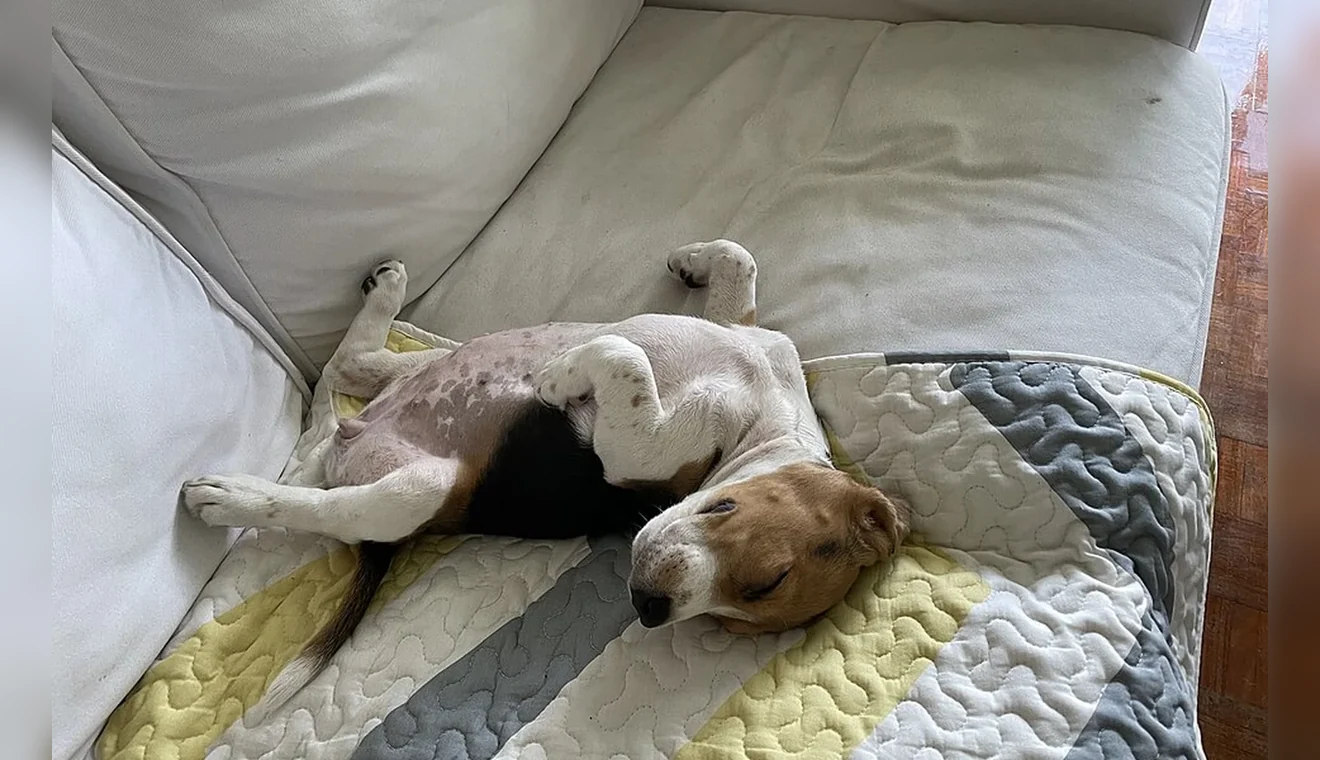
PDSA advises checking how often a dog vomits, whether it can keep water down and whether there are accompanying signs of illness. Repeated vomiting, obvious pain or an animal that seems unwell needs veterinary advice promptly.
What is the yellow liquid?
Bile is a digestive fluid produced by the liver and stored in the gallbladder. It normally travels into the intestine to help with digestion. When a dog vomits and there is little food in its stomach, fluid containing bile may colour the vomit yellow or green and make it look foamy.
The colour tells you something about the contents of the vomit but not why the dog vomited. Similar-looking fluid can appear with several causes, ranging from a short-lived digestive upset to illness requiring treatment.
Why might it happen first thing in the morning?
Some dogs vomit yellow fluid after a long interval between meals. This pattern is sometimes called bilious vomiting syndrome, but it is a diagnosis made by a veterinarian after considering other causes. Repeated early-morning episodes should still be discussed with your vet.
Do not simply assume a late-night snack will solve the problem. A veterinary assessment is especially important if the pattern is new, increasing, associated with weight loss or accompanied by diarrhoea or poor appetite.
When one episode may be less concerning
A healthy adult dog that vomits once, then quickly returns to normal behaviour, continues drinking and has no other signs of illness may sometimes be monitored following veterinary advice. PDSA notes that mild isolated vomiting can settle. However, dogs that are very young, elderly or have an existing medical condition may need earlier attention.
Keep a note of what happened, when the dog last ate and whether it has had access to rubbish, plants or unsafe food. Do not give human anti-sickness medication or attempt to induce more vomiting.
Red flags that need urgent veterinary help
Contact your vet promptly if vomiting repeats, the dog cannot keep water down, seems very lethargic, has a painful abdomen, shows blood in vomit or becomes dehydrated. Repeated unproductive retching, particularly with a swollen abdomen, is an emergency because gastric dilatation-volvulus may be involved.
Collapse, severe weakness, breathing difficulty or signs of poisoning also need emergency help. Our foods toxic to dogs guide explains common kitchen hazards that can cause serious illness before all symptoms appear.
Vomiting versus regurgitation
Vomiting usually involves nausea, retching and abdominal effort. Regurgitation often happens with less effort and brings up food or fluid from the oesophagus. This distinction helps the vet investigate the problem because the possible causes differ.
If possible, describe what your dog did before the material appeared. A short video can sometimes help if it can be recorded without delaying care. Regular regurgitation also requires veterinary assessment rather than being treated as normal fast eating.
What could cause repeated yellow vomiting?
Dietary indiscretion, gastritis, pancreatitis, some infections, intestinal disease and foreign bodies can all contribute to vomiting. Problems affecting the liver or other organs may also play a role. The combination of timing, history, appetite, body condition and examination results matters more than the colour alone.
Do not diagnose pancreatitis or bile disease from an image search. The vet may need tests to distinguish irritation from an obstruction or more serious illness.
Can changing meal times help?
If your vet has assessed the dog and suspects an empty-stomach pattern, changing meal frequency or offering a small appropriate late meal may be recommended. The total day's calories should still be suitable; splitting the ration is different from adding unlimited extra food.
Our dog food transition guide explains changing diets gradually. However, introducing new brands while a dog is actively vomiting may make the picture harder to interpret and can prolong stomach upset.
What should you do at home after an episode?
Keep your dog comfortable and ensure fresh water remains available. Ask the veterinary practice for advice about feeding, especially if vomiting recurs or the dog has health problems. PDSA suggests rest and careful feeding for selected mild cases, but the advice depends on the individual.
Do not force food or water into a sick dog. Never give human antacids or antiemetics without veterinary instruction. If the dog repeatedly vomits after drinking, contact the vet promptly rather than restricting all fluids.
What information helps a vet?
Record the number of episodes, timing relative to food, colour and approximate amount. Mention any diarrhoea, reduced appetite, weight loss, abdominal pain or foreign material the dog may have swallowed. Bring details of medications and recent diet changes.
Loss of appetite alongside repeated vomiting is more concerning than one isolated episode in an otherwise well dog. Our dog diarrhoea guide explains what to watch for when a digestive upset also affects stools.
How the vet may investigate
The clinician may check hydration, temperature, abdominal comfort and mouth health. Depending on the history, blood tests, urine tests, faecal tests or imaging may be recommended. An intestinal blockage sometimes needs urgent treatment, while a mild stomach upset may require a much simpler plan.
Ask when your dog should improve and which symptoms warrant a return visit. If repeated early-morning episodes persist, a follow-up may be needed even when the animal seems bright between them.
Prevention and sensible feeding habits
Feed an appropriate complete diet on a consistent schedule, store rubbish and unsafe foods securely, and avoid sudden changes or large fatty leftovers. Some dogs benefit from meals divided more evenly through the day, but this should not conceal persistent illness.
Keep walks and exercise comfortable while recovering from sickness. A dog that has vomited repeatedly may not be ready for a strenuous outing. Monitor stool, water intake and general behaviour rather than concentrating only on what comes out of the mouth.
The decision that matters
Yellow bile in vomit may appear after an empty stomach, but you cannot diagnose the cause from the colour. Get veterinary advice for repeated episodes, signs of illness or any concern. Treat retching with a swollen abdomen as an emergency. A feeding adjustment can be useful only after more serious causes have been considered.
Research and further reading
- PDSA: Vomiting in dogs — bile colour, home care, red flags and regurgitation.
- PDSA: My dog isn't eating properly — loss of appetite and accompanying symptoms.