Walking Dogs in Hot Weather: When to Stay Home and How to Keep Them Safe
A sunny day may look perfect for a long dog walk, but heat can build up fast, especially on tarmac and in a dog that becomes excited or struggles to cool itself.
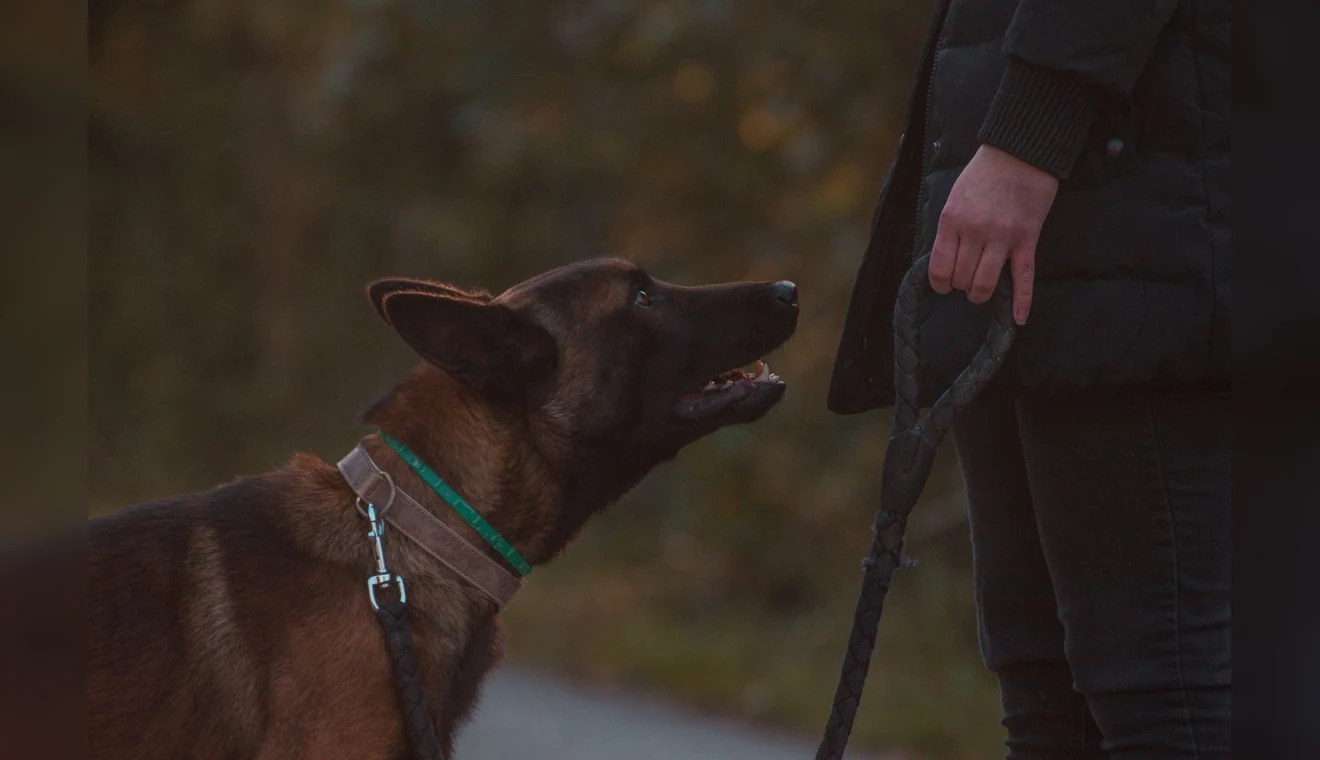
There is no single temperature at which every dog is safe or unsafe to walk. Consider humidity, direct sun, the ground, your dog's health and how strenuous the outing will be. When in doubt, missing a walk is safer than risking heatstroke.
If your dog keeps panting hard after stopping, our excessive panting guide covers urgent warning signs and what to do first.
When is it too hot to walk a dog?
Dogs Trust advises that dogs can develop heat-related illness even in temperatures that do not feel particularly hot to people.
Risk depends on more than the number in a weather app: humidity, shade, fitness, coat, breed and previous activity all matter.
Flat-faced dogs, overweight animals, seniors, puppies and dogs with heart or breathing problems may be more vulnerable.
A rule like “it's always safe below 20°C” is not reliable. Check the conditions and the individual rather than looking for one universal limit.
What time of day is safest?
When the weather is warm but otherwise suitable, early morning or later evening may be cooler.
However, the pavement can remain warm after sunset and humidity can stay high. Check the actual route rather than automatically assuming 8pm is safe.
Choose shade, grass and quiet streets where possible. Keep walks short and gentle, avoiding vigorous fetch games or runs.
After walks through long grass, check the coat and use our safe dog tick-removal guide if you find an attached tick.
PDSA recommends skipping a walk entirely on very hot or humid days and using safe indoor activities instead.
Test the pavement before walking
Sunlit tarmac can become much hotter than the surrounding air and may burn paws.
Dogs Trust recommends the five-second hand test: place your hand against the pavement for five seconds. If it is too hot for your hand, do not ask your dog to walk on it.
This is a simple screening check, not a guarantee that every surface is safe if your hand tolerates it.
Check bridges, car parks, artificial turf and other exposed surfaces too. Some heat more quickly than shaded grass.
If your dog starts lifting paws, limping or refusing to move, stop and check for burns or discomfort.
Heatstroke: recognise the danger
Dogs mainly lose heat through panting, which becomes less effective in high humidity.
Possible warning signs include excessive or distressed panting, drooling, weakness, unsteady movement, vomiting, confusion or collapse.
Heatstroke is a veterinary emergency. Seek immediate veterinary advice and begin appropriate first aid while arranging transport.
Dogs Trust and PDSA emphasise that early cooling can be life-saving. Follow current veterinary guidance to cool the dog with suitably cool water and airflow while contacting the vet; don't use an inappropriate ice bath or delay cooling while searching for a thermometer.
A dog may appear to recover after cooling but still have serious internal injury, so veterinary assessment remains essential.
Shorter walks, slower pace
If conditions are suitable for going out, reduce exertion.
Keep the dog on a lead where needed so it does not sprint after wildlife or play rough games in the sun.
Take frequent shaded breaks. Carry a practical drinking-water supply and a clean bowl.
If your dog becomes reluctant, panting excessively or uncomfortable, end the walk immediately. Don't make it finish a distance target.
Which dogs need extra precautions?
| Dog or condition | Why extra care matters |
|---|---|
| Flat-faced breeds | May have difficulty cooling through normal panting |
| Older dogs | May have reduced physical resilience or medical conditions |
| Puppies | Vulnerable to overheating and inappropriate exertion |
| Overweight dogs | More effort and heat production during activity |
| Dogs with heart or lung disease | Less tolerance of heat and exertion |
| Very thick-coated or dark-coated dogs | May absorb or retain heat depending on conditions |
Individual dogs still vary; no breed label guarantees safety.
If an animal has a known medical condition, ask the vet about a tailored exercise plan.
Do cooling coats and mats make walking safe?
Some well-designed cooling equipment may improve comfort, but no accessory removes the risk of heat-related illness.
A poorly fitted coat may restrict movement or retain heat. Cooling products vary greatly in how they work, especially in humid conditions.
Never rely on a cooling vest to justify a long walk on hot pavement.
Shade, water, gentle activity and avoiding peak heat remain the core precautions.
Water safety on hot days
Provide fresh drinking water before and after an outing, and bring enough for breaks.
Do not force a dog to drink excessive water at once. Let it drink normally in a safe cool setting.
Avoid allowing dogs to drink from stagnant ponds with suspected harmful algae. Some cyanobacterial blooms can be toxic.
If swimming is part of your routine, assess water quality, currents and access. Dogs can become exhausted or chilled even on warm days.
What to do instead of a walk
Missing an outdoor walk on a dangerous day is not neglect when you provide suitable care and safe alternatives.
Try food-search games using part of the normal ration, basic reward-based training, a short indoor scent trail or a suitable puzzle feeder.
Our Dog Enrichment Ideas Guide has ten practical games. Keep sessions short if the house itself is hot.
The dog still needs access to an appropriate toilet area. Arrange the safest possible short outing for that purpose and use cooling measures suited to the circumstances.
Never leave a dog in a parked car
A vehicle can become dangerously hot even when parked in shade or with windows partly open.
PDSA warns that dogs die in hot cars and on hot walks. Don't leave a dog unattended in a car while shopping or stopping for food.
Plan journeys around the animal's needs and take it home to a suitably cool environment when necessary.
If you see a dog showing heat distress in a car, seek urgent help through appropriate emergency services.
Hot weather and brachycephalic dogs
Pugs, bulldogs, French bulldogs and other flat-faced dogs can have anatomical airway limitations that reduce their ability to cool themselves effectively.
Dogs Trust highlights this group as particularly vulnerable, along with older, overweight and medically compromised dogs.
Don't assume they can cope because another dog on the same walk is comfortable.
For a dog with noisy breathing or diagnosed airway disease, get individual guidance from a vet and favour very low-risk activity arrangements.
A simple pre-walk heat check
- Check air temperature, humidity and direct sun.
- Decide whether the dog needs to go out at all.
- Assess paw-surface heat and available shade.
- Take clean drinking water if going out.
- Choose a short low-intensity route.
- Watch behaviour and breathing throughout.
- End immediately if the dog shows distress.
- Know the nearest veterinary contact before an emergency.
This is more useful than applying a fixed “safe temperature” from social media.
Common hot-weather mistakes
Believing 20°C is always safe
Heat risk depends on conditions and the individual dog.
Trusting air temperature alone
Pavement and artificial turf can be far hotter.
Playing intense fetch in the sun
Excitement can disguise early fatigue and overheating.
Using a cooling vest as permission to walk further
Accessories do not cancel the basic risk.
Waiting for a collapsed dog to recover
Heatstroke needs immediate first aid and veterinary assessment.
Frequently asked questions
Can I walk a dog at 25°C?
It may be unsafe depending on humidity, sun, the dog and the route. On hot days, it's often safer to skip the walk.
Is an evening walk automatically safe?
No. Pavements can retain heat and humidity may remain high.
Can dogs get heatstroke in the shade?
Yes. Shade reduces sun exposure but cannot guarantee safe conditions.
Should I shave a double-coated dog in summer?
Don't shave a coat without appropriate veterinary or professional grooming advice; coat function and the dog's health matter.
Choosing not to walk can be good care
Your dog doesn't benefit from completing a routine that leaves it dangerously overheated. On hot days, safe rest, water, suitable indoor activities and brief necessary toilet access may be the right plan.
Return to ordinary walks when conditions are appropriate, and keep the focus on the dog's comfort rather than the distance recorded on your phone.
Sources and further reading
- Dogs Trust: Hot Weather Advice for Dogs — heatstroke risks, pavement test and vulnerable dogs.
- PDSA: Dogs Die in Hot Cars and on Hot Walks — safe activities, warning signs and urgent first aid.