Ferret-Proofing Your House: A Room-by-Room Safety Guide
A ferret can fit into a space you barely noticed, push its nose behind an appliance and emerge carrying something that definitely wasn't a toy. They are curious, flexible and quick, which makes ordinary rooms surprisingly hazardous.
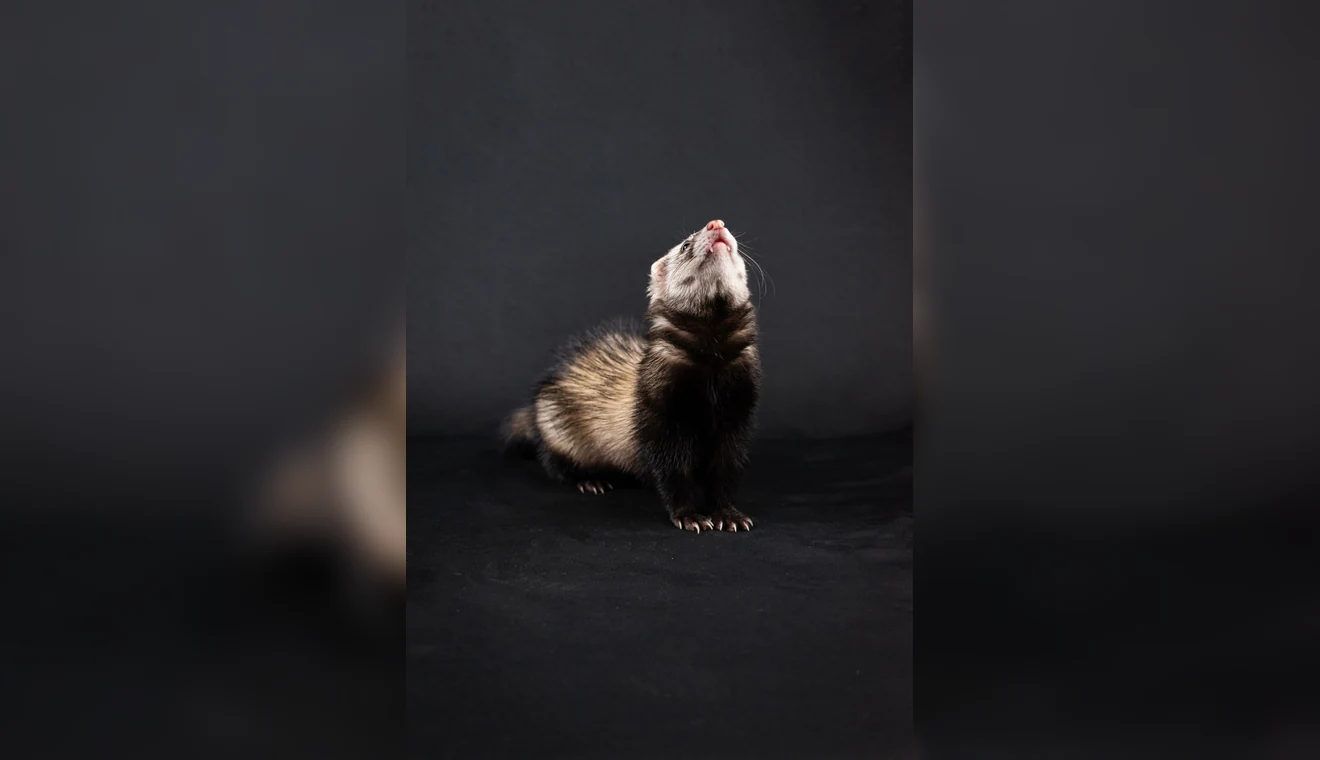
Before allowing a ferret to roam indoors, secure escape routes, protect electrical cables, remove chemicals and houseplants, and check furniture and appliances for crush or trapping risks. Blue Cross recommends preparing a ferret-safe indoor space rather than assuming that normal pet-proofing for a dog is enough.
Start with one safe room
Ferrets benefit from exercise and exploration, but an entire house isn't the best starting point.
Choose a room with a door that closes securely and very few inaccessible gaps. Remove clutter, wires, cleaning products and small objects before opening the ferret's enclosure.
Try to inspect the room from floor level. Gaps beneath units, behind skirting, under sofas and around pipework may look much larger from a ferret's perspective.
If you cannot safely reach behind a particular piece of furniture, prevent the animal from reaching that space.
Keep the ferret's secure main enclosure available for rest and supervised management. Exercise time does not replace appropriate permanent housing.
Ferrets can escape through tiny openings
An adult ferret's flexible body makes narrow gaps a serious concern. Do not rely on an estimated centimetre measurement unless you have inspected the particular animal and barrier.
Look around doors, floorboards, pipe entries, vents, cupboards, fireplaces and under fitted kitchens.
Use sturdy, appropriately secured barriers without sharp edges or chewable foam. A blanket shoved into a hole may be moved quickly.
Ensure window screens are secure and that the ferret cannot climb onto a sill and push through a gap.
Check whether someone entering the room might unknowingly let the animal rush past their feet.
Protect electrical cables
Blue Cross specifically warns that free-roaming ferrets may chew electrical cables.
Unplug and remove unused cords. For necessary connections, use robust cable management appropriate to the environment, and keep wiring out of reach where possible.
A flexible sleeve alone isn't reliable if the ferret can chew through it or crawl beneath it.
Keep chargers, extension leads and small electrical appliances outside the roaming area. Don't leave accessible power strips on the floor.
If a ferret has chewed a live cable, do not touch the animal or damaged cable until the electrical supply is safely isolated. Seek urgent veterinary help for possible burns or shock.
Check recliners, sofa beds and rocking chairs
Moving furniture can cause crushing injuries. Recliners, sofa beds and rocking chairs are especially risky because a ferret may climb inside before someone moves the mechanism.
The safest approach is to keep these items out of the ferret's free-roam area or make them completely inaccessible.
Never operate a recliner while the animal is loose in the room. Confirm its location first.
Inspect the fabric underneath sofas; a loose lining can let ferrets crawl inside an apparently solid piece of furniture.
Don't assume you can always hear or see where a resting ferret has gone.
Kitchens and laundry rooms
The spaces behind fridges, ovens, washing machines and tumble dryers can be dangerous.
A ferret may squeeze behind an appliance, chew a cable or climb into an open drum. Keep the room inaccessible unless fully secured.
Always check washers, tumble dryers and cupboards before operating them or closing doors when animals might have had access.
Remove accessible dishwasher tablets, detergents, cleaning sprays and rubbish.
Hot pans, dropped food and open bins create additional risks. A kitchen is often better excluded altogether than treated as a convenient playroom.
Bathrooms, toilets and buckets
A toilet with its lid open or a bucket of water can pose a drowning risk. Shut lids, drain tubs and secure cleaning containers.
Keep medicines, cosmetics, razors and cleaning chemicals inside closed cupboards.
Some ferrets enjoy exploring towels and bath mats. That is harmless only if the area remains dry, free of loose dangerous fibres and entirely safe.
Check drain openings and pipe gaps, particularly around older plumbing.
Do not allow a ferret to investigate the bathroom while you are using strong cleaning chemicals.
Remove unsuitable plants and garden products
Blue Cross advises removing houseplants from free-roaming areas because some are poisonous.
Don't assume a plant is safe because a dog has ignored it for years. Ferrets may dig in the potting mix, chew leaves or swallow fertiliser pellets.
Pesticides, slug pellets, weedkillers and household sprays should be securely stored elsewhere.
If you suspect ingestion of an unknown plant or chemical, contact a vet immediately and identify the product if possible.
Avoid diffusing essential oils or spraying concentrated fragrance products around ferrets, which have sensitive respiratory systems.
Small objects can be swallowed
Rubber, soft silicone, foam, earplugs and small toy parts may attract a ferret that likes chewing or carrying objects.
A swallowed piece can cause intestinal obstruction, a potentially serious emergency.
Remove TV remote covers, children's toy pieces, erasers, hair ties, headphones and damaged dog toys from accessible areas.
Choose safe ferret-sized enrichment items that do not tear into small pieces under chewing.
Our Ferret Enrichment Ideas explains supervised tunnels, digging and scent activities that don't rely on small rubber objects.
Ferret-proofing the garden
An ordinary garden fence is rarely a sufficient containment plan on its own. Ferrets may dig underneath, climb or squeeze through gaps.
Outdoor play requires a secure purpose-built run with suitable roof, floor/perimeter protection, shelter and shade.
Check for toxic plants, ponds, garden machinery, lawn chemicals and access to neighbouring properties.
Do not leave a ferret alone in an outdoor run where a fox, dog or bird of prey could reach it.
Blue Cross advises appropriate outdoor accommodation and weatherproof shelter for ferrets, with protection from sun and extremes.
Check the temperature of the room
Ferrets can overheat, particularly in hot indoor rooms, conservatories and direct sunshine.
Provide shade, clean water and comfortable cooler resting areas. Never leave an animal in a parked car or enclosed sunroom.
During winter, avoid cold draughts at floor level and provide suitable sheltered sleeping areas.
Room temperature alone doesn't tell you whether an animal is comfortable; watch behaviour and seek veterinary advice for signs of heat-related illness.
Don't rely on a fan alone to keep a dangerously hot room safe.
Multiple ferrets and supervised play
Compatible ferrets need space and opportunities for social interaction.
Provide more than one tunnel, resting area and water point so one animal cannot control everything.
Observe play for stress or real aggression. Ferrets can play energetically, but repeated squealing, wounds or frantic escape attempts call for intervention.
Separate unfamiliar animals according to a suitable introduction plan rather than letting them sort out territorial disputes in a small room.
Supervise all sessions until you understand how the animals behave in the prepared environment.
A sensible first free-roam session
- Secure doors, windows, vents and all accessible holes.
- Protect or remove cables and small chewable objects.
- Block access to moving furniture and appliances.
- Remove plants, chemicals, medicines and unsafe food.
- Provide a safe tunnel, water and a couple of hiding options.
- Let the ferret explore voluntarily while you watch.
- Count and locate all ferrets before opening any door or operating furniture.
- Check the room again after any changes or visitors.
Repeated routine checks matter because a home changes constantly.
Common ferret-proofing mistakes
Assuming dog-proof means ferret-proof
A ferret can reach gaps and mechanisms most dogs cannot.
Running a recliner with a ferret loose
Prevent access to the furniture entirely.
Covering cables with thin material
Remove or securely isolate them whenever possible.
Leaving a washing-machine door open
Always check before using appliances.
Using an ordinary garden fence as a run
A ferret needs secure containment and protection from predators.
Frequently asked questions
Can ferrets roam freely around a house?
They can enjoy supervised access to carefully prepared areas, but many ordinary rooms contain hidden hazards and escape routes.
Are baby gates enough?
A normal gate may have gaps or bars a ferret can use. Inspect the actual product and provide a secure door or ferret-proof barrier.
Should I let a ferret play behind the sofa?
Not unless the entire area is accessible, inspected and free from entrapment or electrical hazards.
How much play time do ferrets need?
They need regular opportunities to exercise and explore outside a suitable enclosure. Follow reputable ferret welfare guidance and adapt to their age and health.
Safety first, exploration second
You don't have to give your ferret access to the entire house to provide a good life. One properly prepared room with interesting safe activities is more useful than an open home full of escape routes.
Check gaps, wires, appliances and furniture every time the space changes. Their curiosity is part of the pleasure of keeping ferrets—and the reason safety planning matters.
Sources and further reading
- Blue Cross: Caring for Your Ferret — home ferret-proofing, cables, houseplants, cleaning products and housing.
- Woodgreen: Caring for Ferrets — daily activity, safe accommodation and enrichment.