Fish Tank Cycling: How to Prepare a New Aquarium Before Adding Fish
A new aquarium can look ready long before it is safe for fish. The water may be clear, the heater and filter may be running, and the decorations may have been in place for days. None of that tells you whether the filter can deal with the waste the animals will produce.
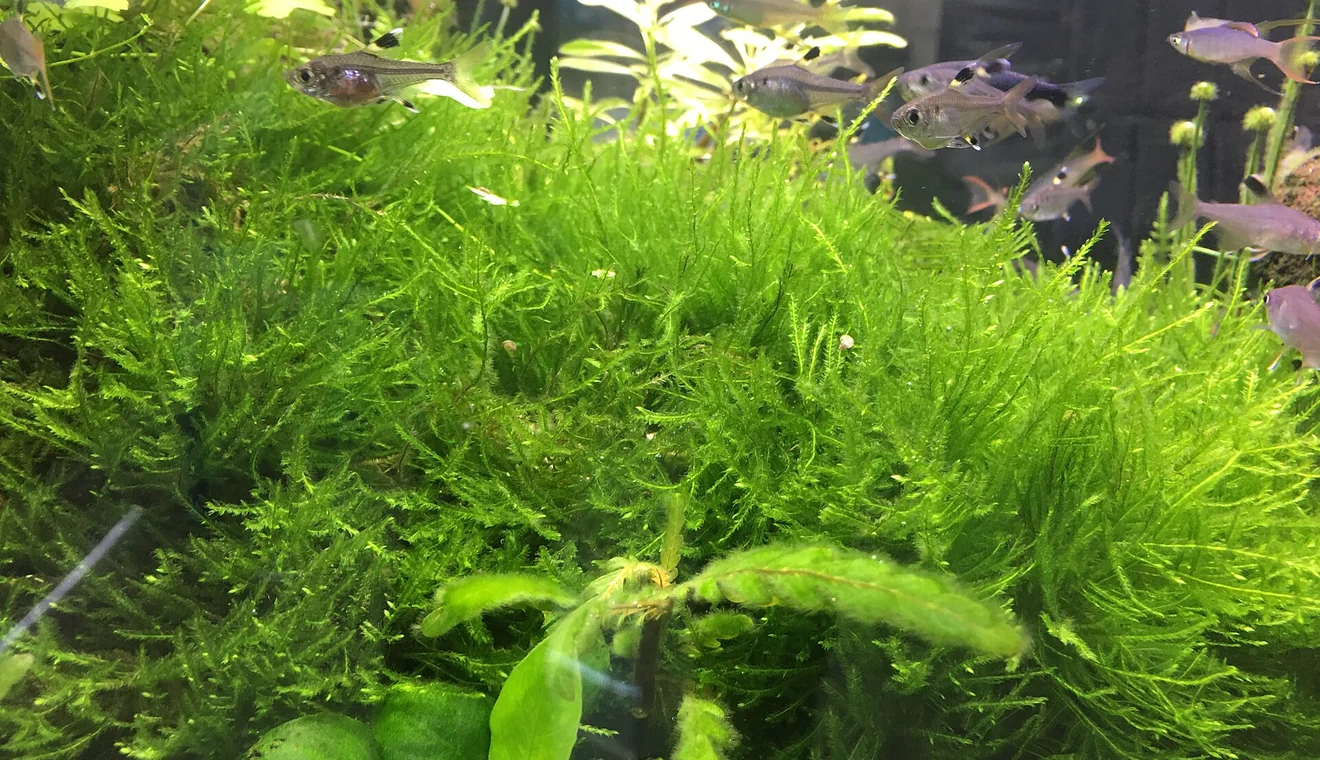
Cycling a fish tank means establishing the biological filtration that converts harmful ammonia into nitrite and then into less immediately toxic nitrate. That process needs a working filter and repeated measurements, not merely a tank left standing for a set number of days. It takes patience, but it is one of the most important jobs in setting up a freshwater aquarium.
If your tests show nitrite while fish are present, use our high aquarium nitrite guide for safe immediate checks.
This guide explains the process in straightforward terms for UK beginners, with particular attention to fishless cycling, water tests and avoiding common mistakes.
What happens during the nitrogen cycle?
Fish waste, uneaten food and decaying organic material can release ammonia into the water. Even concentrations that don't change how the water looks can harm fish.
Established colonies of beneficial bacteria in the filter and on other wet surfaces convert ammonia to nitrite, which is also harmful. Other nitrifying bacteria convert nitrite to nitrate. Nitrate is generally less acutely toxic at comparable concentrations but must still be managed through plants and appropriate water changes.
| Stage | What it tells you |
|---|---|
| Ammonia appears | Waste is being introduced and must be processed |
| Nitrite begins appearing | Part of the biological filter is becoming active |
| Nitrite falls as the filter matures | Further biological processing is developing |
| Ammonia and nitrite remain at zero after an appropriate test dose | The filter may be ready for a carefully planned initial stocking level |
| Nitrate becomes measurable | Often indicates some nitrogen processing, but is not proof on its own that the tank is ready |
The bacteria need surfaces to live on, oxygenated water and an appropriate source of ammonia. They do not appear instantly because a bottle says “starter”.
Fishless cycling is the better beginner approach
The Ornamental Aquatic Trade Association (OATA) recognises both fish-in and fishless cycling but warns that cycling with fish needs great care to protect their welfare. Starting without animals avoids exposing them to potentially harmful ammonia and nitrite while the filter matures.
You can use an aquarium-specific ammonia preparation designed for fishless cycling, following its dosing instructions. Some fishkeepers also use suitable mature filter media from a healthy established aquarium.
Never add household ammonia or cleaning products unless you know they are a specifically suitable, additive-free aquarium preparation and have reliable instructions. Perfumes, surfactants and unknown concentrations make ordinary cleaning products unsuitable.
If you're unsure how to dose your system, ask a reputable aquarium retailer or aquatic specialist before adding anything. The amount depends on the product, actual water volume and the livestock you plan to keep.
Before starting: assemble the aquarium properly
1. Put the tank on a sound, level stand. Check that the supporting surface can hold the filled weight, substrate and décor.
2. Add appropriate substrate and decorations. Follow the manufacturer's preparation instructions. Avoid soap or household disinfectants.
3. Fill with treated water. UK tap water may contain chlorine or chloramine; use a conditioner suitable for your water and follow the label.
4. Fit and run the filter continuously. Include its biological media. If a heater is needed for your chosen fish, set and check it appropriately.
5. Use a suitable water test kit. At minimum, you'll need ammonia, nitrite and nitrate testing, with pH and hardness tests depending on the species.
6. Record the initial readings. A simple notebook or phone note is enough. Include the date, tank volume, test brand and results.
Our Aquarium Volume Calculator can help establish the approximate water volume for a rectangular tank. It does not replace the manufacturer's dosing instructions.
Cycling a freshwater aquarium step by step
Step 1: Provide a controlled ammonia source
Introduce an aquarium-specific ammonia source as directed by its manufacturer or a qualified aquatic adviser. The goal is to feed nitrifying bacteria while no fish or shrimp are present.
Don't pour in more simply because you haven't seen nitrate yet. Too much ammonia can disrupt the process, especially if pH or temperature is unsuitable.
Step 2: Test ammonia and nitrite regularly
During the early period, ammonia may remain measurable. Later, nitrite can rise as bacteria begin processing the ammonia. That does not mean the tank is ready for fish.
Record the tests and follow the chosen fishless-cycling method rather than improvising new doses every day. Exact timing differs between tanks, especially with variable tap water, temperatures and filter media.
Step 3: Observe nitrite falling
Eventually, the bacteria responsible for processing nitrite should become established. Nitrite readings decline as the system matures.
Nitrate often rises as a result of this processing, although plants, water changes and nitrate already present in your tap water can complicate interpretation. A nitrate reading by itself is not proof of a complete cycle.
Step 4: Confirm that the filter processes the intended waste load
The key question is not “Has it been four weeks?” but “Can this filter process an appropriate ammonia challenge without leaving detectable ammonia or nitrite?”
Use the established directions for your chosen fishless-cycling product to confirm readiness. If the method calls for a test dose, wait until the specified period has passed and measure the resulting ammonia and nitrite again.
In a properly matured tank, both should return to zero under the method's conditions before you add the intended initial livestock.
Step 5: Prepare for the first fish
Carry out any appropriate water change needed to bring nitrate and other parameters into the range recommended for your chosen species. Use treated, suitably matched water.
Check temperature, pH and hardness. Don't buy fish until those conditions are appropriate, even if the nitrogen cycle is complete.
Add a modest initial number of compatible fish only after seeking advice about adult size, social group needs, swimming space and the filter's capacity. Then monitor tests closely. A filter may need to grow its bacterial population when the waste load increases.
How long does fish tank cycling take?
There isn't a guaranteed number of days. Fishless cycling commonly takes several weeks, and a fresh filter with no mature media can take longer than the timeline printed on an advert.
Temperature, pH, oxygen, the amount of usable filter media and whether you introduced healthy mature media can all affect the process.
A calendar tells you when to test. The test kit tells you whether the system has matured.
Why water tests are more important than clear water
A cloudy bacterial bloom may appear in a new tank, but it is not a reliable test for the nitrogen cycle. Equally, a crystal-clear tank can contain harmful ammonia or nitrite.
Use tests rather than water colour. If your new setup is turning white or green, read our separate Cloudy Fish Tank Water Guide to identify what you're seeing.
The two subjects overlap, but they solve different problems: cycling establishes biological waste processing, while cloudiness can have several causes.
What if you've already put fish in an uncycled tank?
Don't try to finish a fishless cycle by adding strong ammonia doses to a tank containing animals. That would defeat the purpose of the safer method.
Instead, test immediately and seek species-specific advice from a reputable aquarium retailer or veterinary specialist. Appropriate partial water changes with conditioned water, monitoring, careful feeding and maintaining suitable oxygenation may be needed to protect the fish.
OATA notes that fish-in cycling must be undertaken with great care and expert guidance. Don't follow a generic instruction to “leave everything alone” if ammonia or nitrite is elevated.
Common cycling mistakes
Replacing all filter media at once
Beneficial bacteria colonise the media. Removing every established sponge or ceramic ring can undermine the cycle and cause ammonia or nitrite to rise again.
Rinsing filter sponges under untreated tap water
Chlorine or chloramine may damage the bacteria you're relying on. Gently rinse reusable media in removed tank water when cleaning is genuinely needed.
Feeding ammonia without testing
If you can't measure what's happening, it's difficult to know whether the system is progressing or stuck. Buy the test kit before buying livestock.
Assuming a bottled bacteria product means “instant fish”
Some products can help, but they don't replace confirming that the filter handles an appropriate ammonia load. Read the product's directions carefully.
Adding all the planned fish on the same day
Even a mature filter can struggle if stocking increases abruptly. Plan introductions around adult species needs and ongoing testing.
Ignoring your local tap water
Water hardness and pH vary around the UK. The filter may be mature but still hold water that's inappropriate for a particular fish or shrimp.
Questions about fish tank cycling
Can I cycle a tank with plants?
Yes. Live plants can be present during fishless cycling, though they may use ammonia and nitrate and make test trends less straightforward. Choose species suitable for the intended aquarium.
Do I have to switch the filter on all the time?
Keep the filter running as directed. Nitrifying bacteria depend on oxygenated water passing through their media. Long shutdowns can harm biological filtration.
Does a water change restart the cycle?
An appropriate partial change doesn't normally remove the bacteria that live on established surfaces. Large-scale filter-media replacement or inappropriate cleaning is a bigger concern.
Will my tank ever need cycling again?
The same filter normally remains biologically active while it has suitable conditions. But significant changes—new stock, medications, long power cuts or filter damage—can cause a mini-cycle. Test whenever something changes.
The sensible finish line
A cycled tank is one that can process the expected waste load while ammonia and nitrite remain at zero under an appropriate test method. It is not simply an aquarium that's been standing for a month.
Once you're confident in the tests, plan stock slowly, maintain the filter and keep monitoring water quality. The boring preparation is what makes the interesting part of fishkeeping possible.
Sources and further reading
- OATA: How to Set Up and Look After a Freshwater Aquarium — UK guidance on fishless cycling and safe stocking.
- OATA: How to Look After Freshwater Shrimp and Snails — water testing and mature filters for invertebrates.
- Practical Fishkeeping: Why Won't This Cloudy Water Clear? — why cloudiness isn't a cycling test.