Horse Rug Guide: When to Rug, Weight and Safe Fit
It can be tempting to put a heavyweight rug on a horse as soon as you need a winter coat yourself. But horses regulate their body temperature differently from people, and many healthy unclipped horses cope very well with cold weather if they have sufficient forage, shelter and freedom to move.
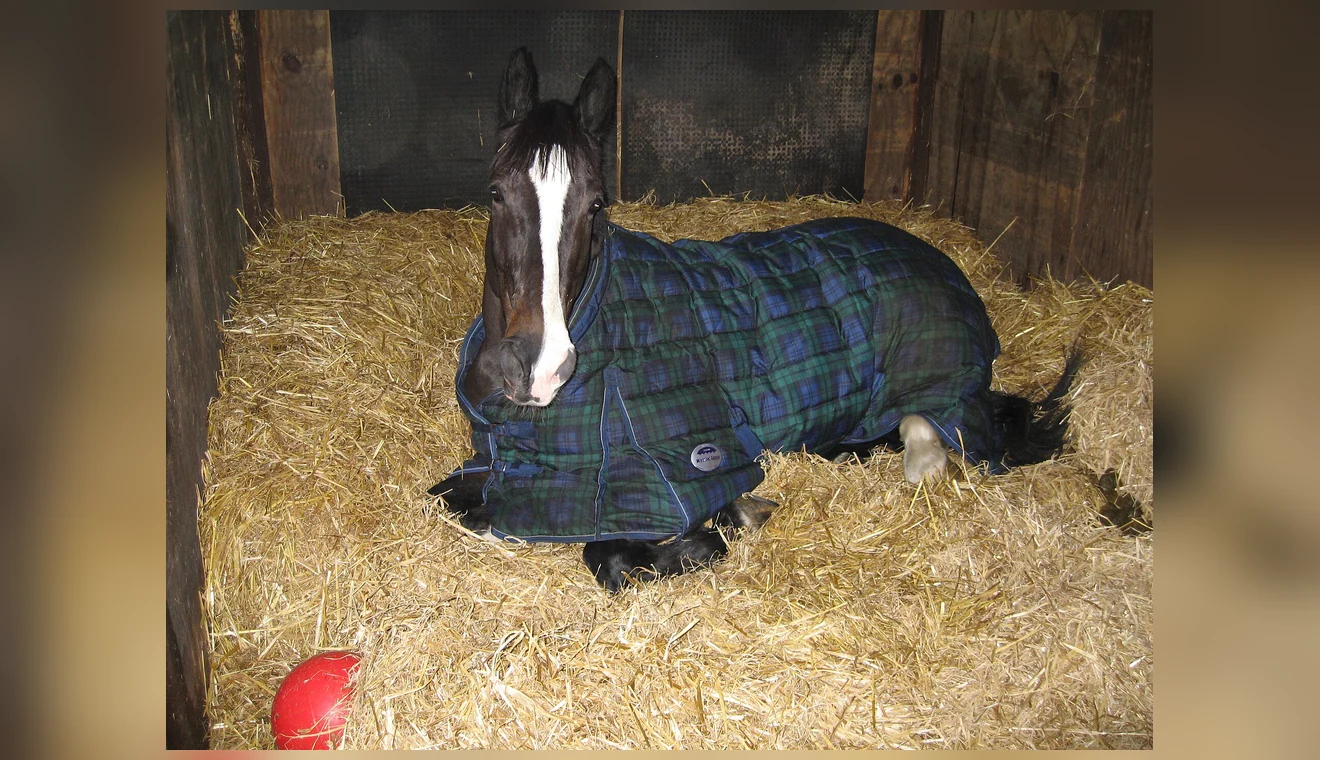
Choose a rug because that individual horse needs one, not because the thermometer has reached a particular number. Then check the rug's fit, warmth and condition every day.
Does every horse need a rug in winter?
No. Blue Cross and World Horse Welfare both warn that unnecessary rugging can interfere with normal temperature regulation.
A healthy native pony with a thick winter coat and suitable shelter may need no rug at all. A clipped thoroughbred, an underweight older horse or an animal that cannot maintain its body temperature may benefit from extra protection.
Look at coat type, clipping, age, body condition, health, shelter, wind, prolonged rain and whether the horse is stabled.
Do not rely only on the outdoor air temperature. A dry, still day and a driving wet wind can create very different conditions.
Which horses may benefit most?
| Horse or circumstance | Why you might consider a rug |
|---|---|
| Fully or partly clipped horse | Reduced natural coat insulation |
| Older or underweight horse | May struggle to maintain warmth or condition |
| Thin-coated breed | Less natural winter protection |
| Sick or recovering horse | May need individual veterinary management |
| Stabled horse with limited movement | Less opportunity for normal temperature regulation |
| Healthy unclipped native pony | Often copes without a rug when shelter and forage are suitable |
This table is a decision aid, not a prescription. Have a vet assess unexplained weight loss, shivering, poor appetite or illness.
What do rug weights mean?
Manufacturers commonly describe rugs as lightweight, mediumweight or heavyweight according to the amount of filling, often stated in grams.
Those labels vary by brand, and more filling is not automatically better. Consider the horse's actual comfort and the weather.
A waterproof no-fill turnout may be useful for some animals in wet weather. Another horse may not need any layer. A clipped horse living outside may require a warmer arrangement, but its rug should be reassessed as conditions change.
There is no reliable universal table matching air temperature to 100 g, 200 g or 400 g of filling for every horse.
Turnout rugs versus stable rugs
A turnout rug is designed for outdoor weather and should provide suitable waterproofing and secure fittings.
A stable rug is intended for indoor use and may not protect against heavy rain. A stable rug that becomes saturated outdoors can make the horse colder.
A cooler or fleece-style rug is often used temporarily after exercise to help a damp horse cool or dry appropriately, not as a permanent solution to all winter conditions.
Fly rugs are a separate warm-weather product designed to help protect against biting insects, with their own fit and heat considerations.
Choose equipment for its job rather than its name or colour.
How to measure for a horse rug
Follow the manufacturer's measuring instructions for that particular brand. Rug sizing systems differ between UK labels and imported products.
Common methods involve measuring along the horse from the centre of the chest across the body to the relevant point at the back, but the exact reference points depend on the product.
Ask a knowledgeable fitter or retailer if the horse is broad-chested, particularly high-withered or between sizes.
An overly small rug can rub and restrict movement; an oversized rug can slip backwards, twist and create hazards.
Never assume an old rug still fits after substantial changes in the horse's condition or muscle.
How to check the fit
Blue Cross recommends confirming that the rug sits comfortably across the withers and shoulders, without slipping down the horse's back.
Check that the horse can walk, turn, graze, lie down and rise without pulling against straps or catching a leg.
The chest should close securely without constricting the neck. Check that shoulder movement doesn't draw the whole rug tightly forward.
Inspect leg straps and belly surcingles with the rug on and the horse standing normally. Blue Cross guidance describes adjusting straps with enough clearance to prevent constriction without leaving dangerous loops.
If you aren't sure about the fastening arrangement, ask an experienced person to demonstrate before allowing the horse to wear it unattended.
Common areas where rugs rub
The shoulders, withers, point of hip, chest and tail area are frequent places for pressure or friction.
Take the rug off during daily checks and look for flattened, broken or missing hair, warm skin, swelling or sores.
A rug that fits while standing may still rub during grazing or movement. Watch the animal walking and turning.
Don't hide a developing sore by fitting a thicker rug on top. Resolve the fit or fabric problem, and ask a vet if the skin is damaged.
A stiff waterproof outer layer and poorly finished seams may rub even when the size label looks right.
How do you tell if a horse is too hot?
Blue Cross lists signs of over-rugging including sweaty or damp skin under the rug, restlessness, repeated rubbing and changes in behaviour.
Feel close to the skin around the shoulder or chest rather than judging by the outside of the rug.
Overheating and trapped moisture can contribute to uncomfortable skin problems. A horse that is far too warm should have its layers reassessed promptly.
Remove the rug safely, check the skin and body condition, and consider whether shelter, forage and more appropriate turnout are the real priorities.
World Horse Welfare warns that excessive rugging can interfere with seasonal weight regulation and may contribute to obesity or laminitis risk in susceptible animals. Our Pet Care Guide Hub groups practical care guides across species, including seasonal welfare issues; for a horse’s individual body-condition plan, consult your vet or an experienced equine nutritionist.
How to tell if a horse is cold
Potential signs include persistent shivering, a tucked posture, unusual lethargy or reduced appetite.
Don't diagnose cold from the outer hair coat alone; natural winter hair can shed rain while the skin remains warm.
Check close to the body and take account of whether the horse is wet, exposed or unable to shelter.
A horse losing condition, behaving abnormally or appearing ill should be checked by a vet. Adding a rug cannot replace appropriate medical care or enough forage.
Rug checks in the field
Turnout rugs can slip after rolling, become caught on fencing or develop leaks and tears.
Inspect the horse and the rug at least daily, removing and readjusting the rug as Blue Cross recommends.
Make sure the animal is still able to reach water and forage normally and that no strap has become caught or excessively loose.
After heavy rain, check whether the inner lining is genuinely dry. A wet exterior does not always mean the rug has leaked, but dampness against the skin needs investigation.
Have a clean dry spare available when changing weather makes rug replacement necessary.
Drying, cleaning and storing rugs
Follow care labels to preserve waterproof membranes and specialist materials. Many turnout rugs require suitable reproofing after cleaning.
Dry used rugs thoroughly before storage. Damp folds can develop mould and unpleasant odours.
Check buckles, surcingles, stitching and reflective strips. Replace damaged fastenings rather than relying on a weak temporary knot.
Label the rugs for the correct horse and keep a note of sizes and weights if several animals share a yard.
Clipped horses and changing conditions
A clipped horse may need more protection because its natural insulation has been reduced.
But the same horse can become overheated if a heavyweight rug stays on during a mild afternoon after a cold night.
Plan a way for someone to check and adjust rugs as conditions change. Don't leave an animal in excessive layers for days because the owner is away.
A horse that is still wet after exercise should be cooled and dried safely before being left in an unsuitable overnight arrangement.
Common rugging mistakes
Using outdoor temperature alone
Individual horse needs and conditions matter more than a rigid temperature chart.
Putting a stable rug out in heavy rain
It may not offer the necessary waterproof protection.
Buying a heavyweight rug as the default
Over-rugging can create health and comfort problems.
Leaving a rug on without daily removal
You may miss rubbing, sores, weight loss and slipped straps.
Ignoring changed body condition
Rug fit can change as the horse gains or loses weight.
Frequently asked questions
Does a native pony need a rug?
Many healthy unclipped native ponies cope well without one when they have forage and shelter, but assess the individual.
Is a 200 g rug warm enough?
The number alone cannot answer that. Brand, fit, clipping, health and weather all affect suitability.
Can a turnout rug be left on overnight?
It may be appropriate in some management systems, but it still needs daily fit, heat and skin checks.
Should an older horse always be rugged?
Age increases the need for individual assessment, but not every older horse needs the same rug.
Buy for the horse, not the weather app
A well-fitting rug can be useful equipment for the horse that actually needs it. The wrong rug—or a good rug worn when unnecessary—can create preventable welfare problems.
Start with shelter, forage, body condition and the horse's natural coat. Then choose and check the smallest appropriate intervention.
Sources and further reading
- Blue Cross: When to Rug Your Horse — individual circumstances and over-rugging risks.
- World Horse Welfare: Rugging Horses — clipping, coat, weight, fit and environmental factors.
- Blue Cross: Keeping Your Horse Warm in Winter — daily skin and temperature checks.