How to Choose a Vet in the UK: Registration, Costs and Emergency Care
Choosing a veterinary practice isn't just a matter of picking the closest building with a sign outside. You need a team that treats your species, provides suitable facilities, explains costs clearly and tells you where to go outside normal hours. Start with the Royal College of Veterinary Surgeons (RCVS) Find a Vet service, then speak to the practice directly.
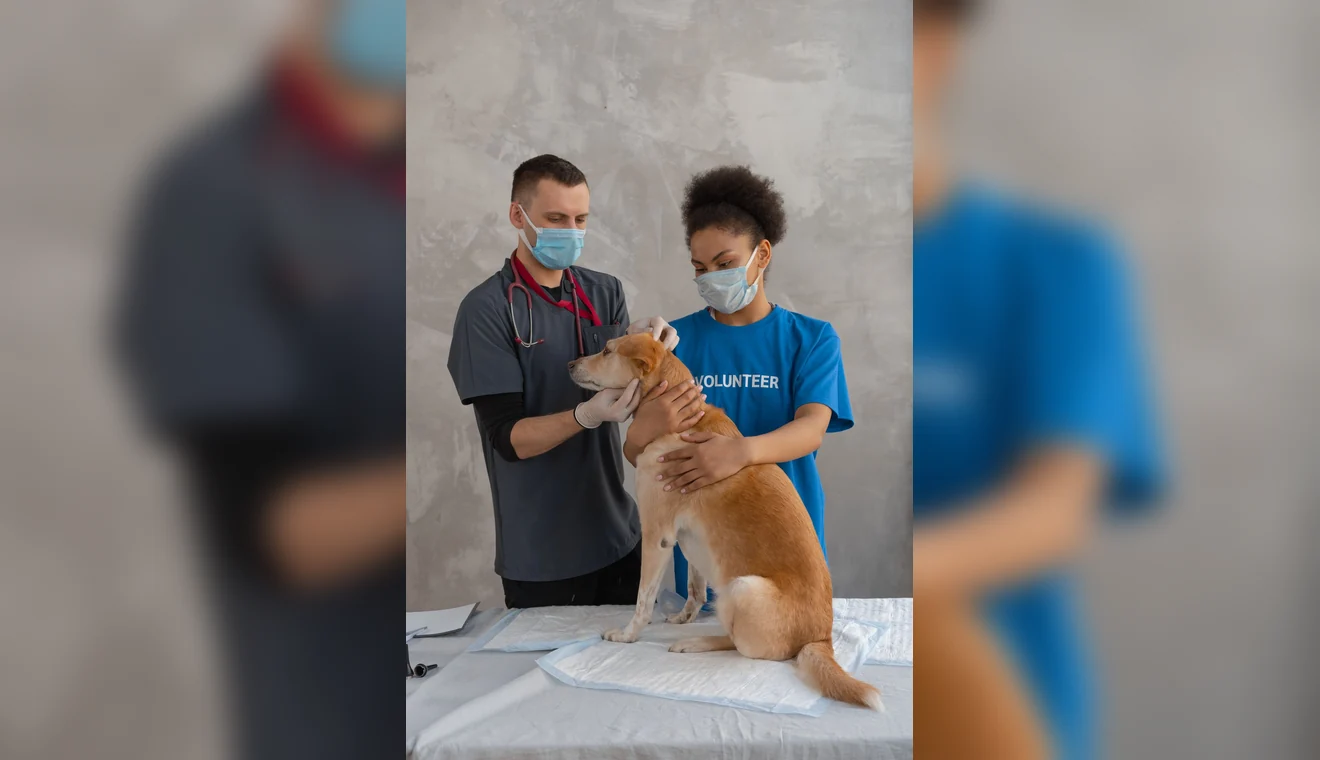
The RCVS and GOV.UK both publish practical guidance for comparing UK veterinary practices. Price matters, but so do experience, continuity, access and the quality of communication when your pet is unwell.
Check that your vet is properly registered
In the UK, veterinary surgeons must be registered with the RCVS to practise legally. Use the official RCVS Find a Vet directory to find professionals and practices. Be aware that the directory sometimes undergoes technical updates, so contact the RCVS if something appears to be missing.
Don't rely solely on a search-engine review or a social-media advertisement as evidence of a professional qualification. An official register is a more reliable first check than a polished website.
Does the practice treat your animal's species?
Most ordinary small-animal practices treat dogs and cats, but experience with rabbits, birds, reptiles or unusual mammals may vary. The RCVS advises checking what species the team sees and whether it has suitable facilities and expertise for your particular pet.
A vet who is excellent with dogs may sensibly refer a sick parrot or tortoise to a specialist. That is a sign of professional judgement, not necessarily a weakness. If your household includes several species, you may use more than one practice.
What is RCVS practice accreditation?
The RCVS Practice Standards Scheme is a voluntary accreditation programme that assesses standards including facilities, hygiene and clinical processes. Accredited practices can display the recognised logo and are periodically assessed. You can filter for accreditation in the official directory.
An unaccredited clinic isn't automatically a poor clinic, because participation is voluntary. Accreditation is one useful factor among others, not a ranking of every veterinary practice in Britain.
Ask who handles out-of-hours emergencies
This is one of the most useful questions to ask before registering. Does the practice provide its own emergency service, share cover with a neighbouring clinic or refer you to a separate hospital? How far away is that location, and can you transport your pet there at night?
RCVS guidance explains that practices should have arrangements for emergency cover, although details differ. Save the actual out-of-hours number and address in your phone. Our pet emergency kit checklist explains what information and supplies are useful when an emergency occurs.
Compare prices using the same services
GOV.UK recommends asking about consultation fees, vaccinations, microchipping, neutering, prescriptions and out-of-hours care. Compare equivalent services and check what's included: a low advertised consultation fee can mean little if diagnostics or follow-up charges differ.
The RCVS says there are no nationally fixed veterinary fees. Prices can vary due to facilities, staffing, location and procedures involved. Ask for clear estimates and discuss options rather than assuming the most expensive or cheapest clinic is always best.
Will the vet explain an estimate clearly?
The RCVS advises that clients should receive understandable information about likely costs, treatment options and additional charges. For non-emergency treatments, ask for a written itemised estimate that includes VAT, tests, medicines and likely follow-up where applicable.
If a procedure could become more expensive because of complications, ask how additional consent will be obtained. In an emergency, necessary first aid may begin before an exhaustive discussion; the team should explain fees as soon as practical.
Independent practice or veterinary chain?
A practice may be independently owned or part of a larger corporate group. GOV.UK recommends asking about ownership, facilities and services because different arrangements can affect price and access. Neither ownership model automatically predicts the quality of veterinary care.
A large group might offer additional equipment or out-of-hours cover, while a small local clinic might provide excellent continuity with the same vet. Consider which services genuinely matter to your pet, and whether referrals are explained clearly.
What about insurance and payment plans?
Ask whether the practice can submit claims directly to your insurer or whether you must pay the invoice and claim reimbursement yourself. Direct claims often depend on the insurance policy and practice processes. You may still owe excesses and excluded fees immediately.
Some clinics offer payment arrangements, but terms and eligibility differ. Our pet insurance excess explained guide shows why the amount you pay yourself may be more than an initial consultation fee.
How important are distance and parking?
A nearby practice is convenient for vaccinations and routine checks, but think about the route when your animal is injured or distressed. For a large dog, accessible parking may matter; for cats or small pets, a quiet waiting area and safe carrier access can be useful.
If public transport is your only option, ask whether it is feasible to reach the emergency centre that covers your chosen clinic. A practice with beautiful facilities is less useful if you cannot reach it in a crisis.
Visit or phone before registering
Reception staff can tell you whether the practice is accepting patients, what species it treats and how booking works. Ask about consultations with a consistent vet, appointment length, language support if needed and what happens when an animal needs urgent attention.
You can ask to see the waiting room or a public area where appropriate, but don't expect access to clinical treatment rooms during routine work. Notice whether questions receive clear, respectful answers rather than simply counting the number of stars in online reviews.
What records should you bring?
For a first appointment, bring vaccination history, current medicines, known allergies, existing diagnoses, travel history and any insurance details. If switching from another practice, ask for clinical records to be transferred with your consent.
The British Veterinary Association recommends helping the new team understand the animal's background. Keeping a simple pet record also reduces repeated conversations when you're stressed. Our pet microchip law guide explains why the separate chip database must stay up to date.
Can you request a second opinion?
Yes. The RCVS professional guidance says vets should not prevent owners from moving practice or seeking a second opinion. If a diagnosis or treatment plan is unclear, ask for the reasoning, available alternatives and the risks of waiting.
Second opinions can involve additional consultation fees or tests. The best approach is usually to share complete records and be clear about the question you want answered. A second opinion isn't the same as demanding a guaranteed result.
Red flags when assessing a practice
Be cautious if a clinic won't tell you who is treating your pet, won't discuss likely costs, has no clear emergency referral arrangement or dismisses serious concerns without a useful explanation. One delayed phone response doesn't necessarily mean the whole team is poor, but patterns matter.
Pay attention to whether you feel able to ask about pain relief, alternatives and follow-up care. Good communication can be just as important during a difficult appointment as routine friendliness.
Your final decision checklist
Verify RCVS registration, check species expertise, understand emergency arrangements, compare itemised costs and ask how records, referrals and insurance work. Then consider location, continuity of care and how the team communicates.
The best vet for your pet is one you can reach, trust to explain decisions and rely on for the care that species needs. You don't need to choose on price or advertising alone.
Sources and further reading
- RCVS: Choosing a veterinary practice — species, accreditation, facilities and emergency cover.
- RCVS: Find a Vet — official practice and professional directory.
- GOV.UK: Choosing a vet practice and treatments — prices, ownership, treatment and emergency questions.