Introducing a Puppy to an Older Dog: First Meeting and First Weeks
Bringing home a puppy can be delightful for you and exhausting for the dog who already lives there. Puppies jump, chase and sometimes ignore the very signals that tell an older dog to back off. The aim is not to make them play together immediately. Your older dog needs choice, quiet time and a way to escape puppy attention, while the youngster learns how to share a home.
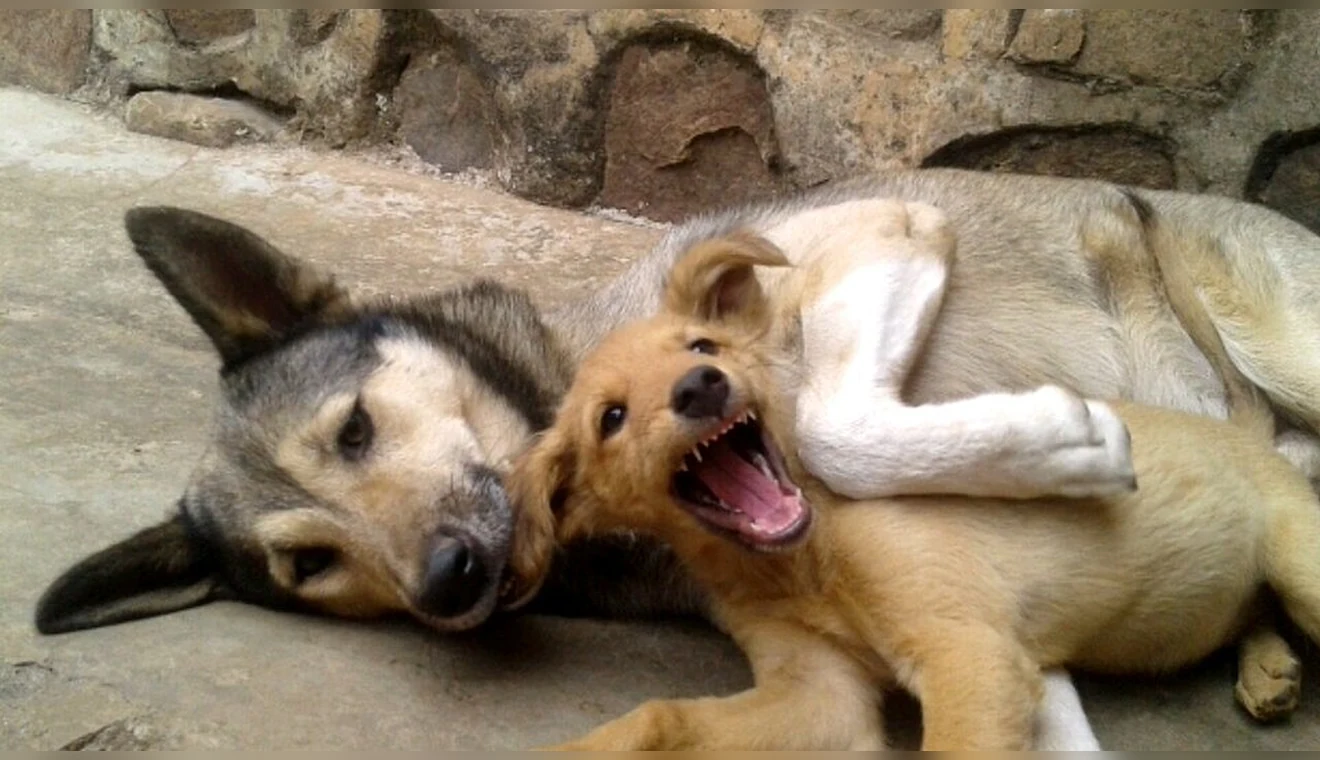
A carefully managed introduction is especially important if your adult dog has arthritis, limited sight, guarding tendencies or a history of being uncomfortable around other dogs.
Before the puppy comes home
Set up separate sleeping areas, food and water stations and safe spaces where each dog can rest without being approached by the other. Install baby gates if useful and practise moving your adult dog to a quiet room without stress. Put away high-value toys, chews and food from shared areas for the first encounters. Blue Cross specifically recommends removing such resources to minimise possible conflict during early introductions.
Check health and vaccination considerations
Make sure the resident dog is current with veterinary advice about vaccines and parasite prevention. Young puppies may not yet be fully protected from infectious disease, so discuss safe meeting places with your vet. Dogs Trust advises taking account of the puppy's vaccination stage when choosing an area with low dog traffic. A safe garden or suitable quiet outdoor place may be better than a busy dog park full of unknown animals.
Plan the first meeting outside if suitable
Arrange two calm adults, one for each dog, with secure leads and rewards. Begin with a short parallel walk or gentle exploration at a distance rather than walking the dogs nose-to-nose. If both remain loose and curious, allow a brief sniff and then encourage them to move on. Keep a safe gap if the older dog is worried. A first meeting should end well before excitement or tension escalates.
Watch the older dog's signals
Turning away, licking lips, freezing, walking behind you, stiff posture and repeated avoidance can all mean the adult dog needs more space. Do not dismiss those signs as jealousy or expect it to tolerate endless puppy nips. A growl is useful communication: calmly remove the puppy and give the adult a break. Punishing a growl may suppress the warning without improving the older dog's feelings.
Bring them indoors carefully
After a successful first meeting, start in a spacious neutral area such as a garden or large room, avoiding narrow hallways and feeding spots. Use light house lines only under supervision if recommended, so you can redirect without grabbing collars. Keep sessions brief and let both dogs explore separately. A baby gate provides a practical way to see and smell one another without constant physical contact. Dogs Trust advises regular breaks and separation when you cannot supervise.
Don't leave them together unsupervised
Even a normally patient adult dog may become irritated when a puppy repeatedly climbs over it. Separate them behind a secure door or suitable gate when you are cooking, sleeping, working or otherwise unable to watch. Leaving 'the older dog to teach the puppy a lesson' creates avoidable risk. The puppy can develop confidence and have fun independently, while the adult continues to enjoy uninterrupted sleep.
Give the older dog its own routine
Keep familiar walks, feeding times, quiet attention and favourite resting spots where possible. Don't stop spending time with the existing dog just because training a puppy requires more effort. A short one-to-one walk or relaxed fuss can help maintain routine. Provide an adult-only retreat, not a place the puppy is allowed to invade. Our Dog Enrichment Ideas offers activities that can be given separately.
Teach the puppy to settle away from the dog
Reward quiet time on a mat, appropriate chewing and choosing toys rather than pestering the adult. Use gates and planned naps to prevent the puppy constantly rehearsing chasing and biting. The adult dog should never be the puppy's sole source of entertainment. Our Puppy Biting Hands Guide covers play mouthing; those same sharp teeth can be unwelcome to a senior dog.
Feed them in separate spaces
Separate feeding protects both animals from competition and makes it easier to check appetite. Pick up bowls after meals and avoid leaving valuable chews or toys between them during the early weeks. If one dog freezes over food, growls or blocks the other, increase separation and consider professional help. Our Dog Resource Guarding Guide explains why taking valued items away by force can worsen tension.
How much play is enough?
Healthy play usually includes loose movement, pauses and the ability for both dogs to stop. Watch whether the puppy keeps chasing when the adult turns away or hides. Interrupt gently before the older dog is overwhelmed, offering the youngster an alternative activity. Even friendly dogs may have very different energy levels. A senior dog with sore joints may prefer brief sniffing together over wrestling games.
Is a growl always bad?
A growl can be a normal warning that a dog needs distance. Respond by redirecting the puppy, not scolding the older dog for communicating. However, repeated growling, stiff staring, lunging or snapping are signs that the introduction needs slowing down or professional support. Do not assume all aggressive signals are 'normal hierarchy sorting'. Safety comes first, particularly with a large size difference.
What if the adult dog seems depressed or withdrawn?
An older dog may rest more because its routine has changed, but marked appetite loss, hiding, persistent withdrawal or new irritability can also signal pain or illness. Consult your vet if these changes occur. Ensure the adult can reach food, water, toileting areas and its favourite resting places without being followed by the puppy. It may take time for everyone to adapt, and no dog should be required to share every activity.
When can you leave them together?
Don't choose an arbitrary number of days. Wait until you have a consistent history of relaxed interactions, easy disengagement and no concerns over food or resting spaces. Even then, many households sensibly keep dogs separate when unsupervised, particularly while the puppy is young. A slow introduction protects the relationship. Use your judgement and seek qualified help if there has been any threatening contact.
What if they have a fight?
Separate safely without putting hands between jaws or grabbing collars in a panic. Once apart, let both dogs decompress in secure spaces and assess for injuries; puncture wounds can be hard to see. Contact a vet for any injury and a properly qualified behaviourist before attempting renewed introductions. Avoid recreating the same conflict to see what happens. Rehearsing a fight risks making future meetings harder.
Can an older dog enjoy a puppy eventually?
Some do, and some prefer peaceful coexistence rather than playing. Both are valid outcomes. Success may mean the older dog can nap undisturbed while the puppy enjoys a toy nearby. Measure whether they can share space without tension, not whether they curl up together for photographs. A happy household allows individual preferences and routines rather than expecting instant companionship.
Your first-week plan
Prepare two safe resting areas, arrange a calm first meeting, use gates and supervised short sessions, and feed separately. Give the adult predictable one-to-one time and provide puppy naps and suitable games away from it. Watch body language and increase distance at the earliest signs of discomfort. Seek help sooner rather than later if there is snapping, guarding or persistent stress.
Research and further reading
- Dogs Trust: introducing a new puppy — step-by-step first meeting and separate spaces.
- Blue Cross: introducing puppy to older dog — home preparation, managing resources and supervision.
- Dogs Trust: puppy socialisation — safe positive early experiences.