Moving House With Cats: A UK Timeline That Reduces Stress
Boxes pile up, strangers carry furniture past the front door and the cat watches from the stairs. Moving house can be a major upheaval for an animal that relies on familiar territory. The easiest way to prevent a last-minute escape is to plan the cat's safe space before the removal van arrives.
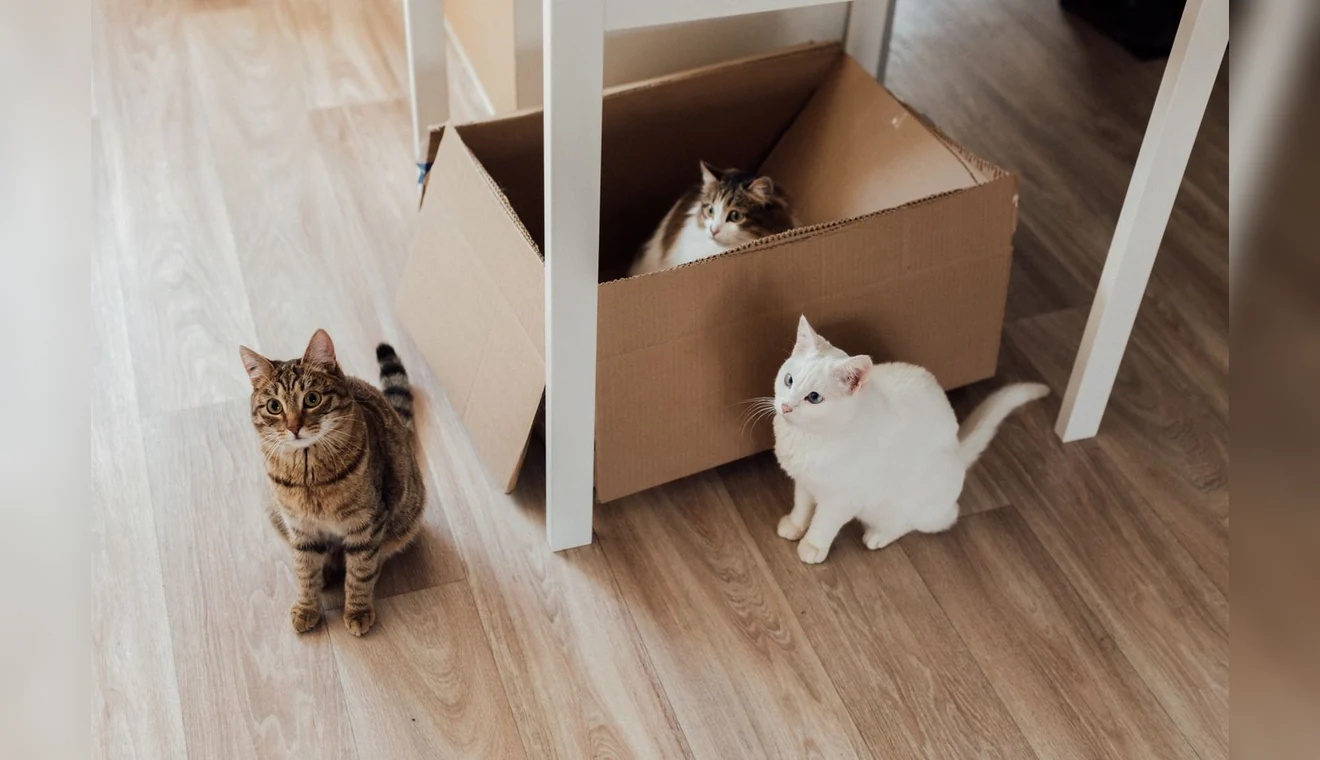
Keep your cat in a secure, quiet room during the move, then settle it gradually at the new address. Outdoor cats also need a period indoors before being allowed back out. Here's how to organise the practical details without making the day harder than it needs to be.
Two weeks before: decide where the cat will stay
Choose whether your cat will stay in a trusted cattery, with a responsible friend or with you during the move. The best option depends on its health, temperament and how stressful travel tends to be. If staying at home, choose an easily secured room you can clear early. Choose a similar room in the new property. Make sure everyone helping with the move knows the plan.
One week before: build a familiar base
Put a bed, blanket, litter tray, food, water, scratching surface and open carrier into the old home's safe room. Give the cat time to explore this area while things are still reasonably quiet. Keep food and the litter tray apart. Cats that share a house but dislike one another may need separate rooms, not a single crowded holding area. A familiar scent matters more than buying lots of new equipment.
Prepare the carrier in advance
A sturdy carrier with secure doors is essential for moving day. Leave it open as a resting option and occasionally place treats inside so the cat can investigate. Ensure it is correctly sized and in good condition. Never transport a cat loose in a car or on someone's lap. During the journey, secure the carrier according to its instructions and keep noise and temperature comfortable.
The night before moving day
Place the cat in its safe room with fresh water, clean litter and familiar bedding; secure windows and doors. Attach a clear note reminding removal staff not to enter. Check for holes behind fitted cupboards and other escape routes. Have a separate bag for cat food, medicines, carrier cleaning supplies and veterinary contact details so you aren't hunting through boxes after a long drive.
On moving day: prevent escapes first
Shut the safe-room door before visitors or removal workers arrive. Do not let the cat roam through half-packed rooms while outside doors repeatedly open. Move the cat in its secure carrier when the destination room is ready, preferably away from the busiest loading period. Assign one adult to check the cat's whereabouts at each stage. A calm handover matters more than trying to keep it involved in the action.
The first hours in the new house
Take the carrier directly into the new safe room, close the door and only then open the carrier. Provide the cat's familiar bedding, litter tray, food, water, scratcher and a covered hiding place. Let it emerge without being pulled out. Keep children and visitors away from the room initially. Cats Protection recommends a few days in a base room for many cats before gradually exploring the wider home.
How long should a cat stay in one room?
There is no exact number of days. A confident cat may start exploring sooner than a nervous one, while a cat with a history of hiding may need a slower introduction. Look for ordinary eating, toileting, grooming and relaxed movement. Once settled, open a door to one additional area while all exterior exits remain secured. Always allow the cat to return to its base room.
How long must an outdoor cat stay indoors after moving?
Cats Protection advises keeping a previously outdoor cat indoors for at least three weeks after the move. This gives time for the new home to feel familiar and reduces the risk of the cat attempting to find its old territory. For a particularly anxious cat or a home near busy roads, discuss a more cautious plan with your vet or rescue organisation. Don't let a confident appearance on day two tempt you to open the cat flap.
First trips into the garden
Before outdoor access, check the microchip contact details, fences, hazards and nearby traffic. Start in daylight at a quiet time, ideally shortly before a usual meal. Open the door and let the cat choose whether to step outside; don't carry it out and leave it there. Keep the first trip brief and provide a clear route back inside. Gradually increase freedom only as the cat becomes confident in the new surroundings.
Update the microchip and vet details
In England, pet cats over 20 weeks must be microchipped; the database details must be kept current. Update the registered address and phone number before the move if possible, and arrange to transfer records to a new vet when necessary. Tell the insurer if your policy requires it. Store the microchip number and the database provider's details somewhere accessible instead of relying on an old tag.
Helping cats that are nervous or hide
Some cats disappear behind a wardrobe as soon as they leave the carrier. That is often a coping strategy, not misbehaviour. Provide covered refuges and quiet high resting spots. Leave an item of clothing carrying your scent if that comforts the cat. Avoid dragging it out to meet guests or repeatedly checking its hiding place. Our Cat Hiding Under the Bed Guide explains which changes deserve veterinary attention.
More than one cat: keep resources separate
The move can strain relationships between cats that usually tolerate each other. Give each access to its own food, water, resting spaces and litter facilities, with extras spread around the home. Don't force close contact in a small room if one cat blocks the other. Our Cat Litter Tray Setup Guide explains the practical benefits of multiple quiet trays. Consult a feline behaviourist if aggression develops.
How to help an older or unwell cat
Plan around medication schedules, mobility and familiarity. A senior cat may appreciate a low-entry litter tray, soft bed and easy access to food and water. Speak to your vet ahead of the move if the cat has a chronic illness or struggles with travel. Do not change its medicines or use sedatives without veterinary advice. A small amount of predictable routine can make a large difference during unfamiliar weeks.
Common mistakes to avoid
Never open the carrier in an unsecured room, assume the cat will stay with you while doors are open, or immediately let an outdoor cat into a strange garden. Don't wash every blanket before moving: familiar scents can be reassuring. Avoid introducing multiple new pets, foods or furniture arrangements at once if you can. If the cat stops eating or appears unwell, speak to a vet rather than assuming it is ordinary moving stress.
When your cat has finally settled
Return to normal meal, play and sleep routines. Offer scratching posts in the areas it chooses to spend time, and allow quiet retreat spaces to remain available. If the cat used to enjoy interactive play, short sessions can help it explore confidently. Our Indoor Cat Enrichment Ideas include simple activities suitable while outdoor access is temporarily restricted.
Research and further reading
- Cats Protection: moving home with your cat — detailed moving-day arrangements, safe rooms and outdoor access.
- Cats Protection: guidance for hiding cats — supporting a nervous cat without forcing contact.