Pet Rat Enrichment: Foraging, Climbing and Homemade Games
Rats learn quickly and enjoy investigating their surroundings. If they spend every day in an empty cage with a bowl of food and one hide, they miss opportunities to climb, dig, search and interact with companions. The most useful enrichment often costs very little.
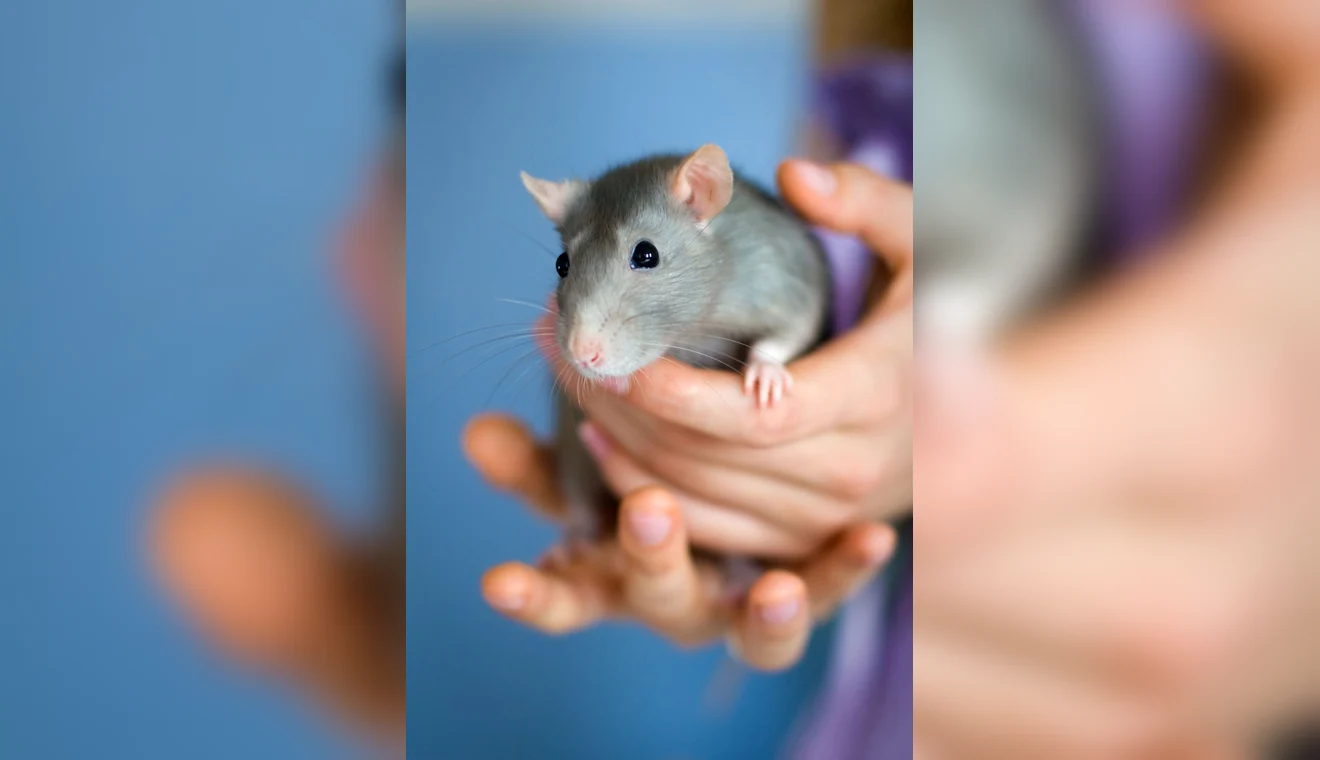
Provide a large well-equipped cage, compatible rat company, safe climbing routes and activities that use part of the normal food ration. Woodgreen Pets Charity recommends tunnels, hammocks, digging trays, foraging and supervised time in a rat-proof room.
Start with a suitable social group
Rats are social animals and are generally happier living with compatible rats of their own species.
Woodgreen recommends groups rather than a lone animal, with enough room for animals to explore together or spend time apart.
Enrichment cannot compensate for an unsuitable solitary life or a cage too small for normal movement.
Our Pet Rat Cage Size Guide explains the charity's recommended housing dimensions.
Don't introduce unfamiliar rats just to create variety. Use our Introducing Pet Rats Guide when planning group changes.
1. Scatter the normal food allowance
Rats naturally search for food. Woodgreen suggests scattering part of their daily dry mix around safe bedding instead of putting everything in a bowl.
Begin with obvious locations and gradually make the search a little more interesting.
Do not hide the entire ration so well that older or unwell rats cannot find it.
Use a balanced rat-appropriate diet rather than endless sugary treats.
Our Pet Rat Diet Guide covers Woodgreen's normal feeding recommendations.
2. Make an easy cardboard food parcel
Use a clean plain piece of paper or an empty egg box with any unsafe fasteners removed.
Put a few pellets or a small portion of normal food inside and fold it loosely.
The rat can sniff, manipulate and tear the paper to reach the food.
Woodgreen describes using paper parcels and cardboard boxes as suitable foraging opportunities.
Check for dyes, plastic coatings, staples and glue. Remove pieces if an animal begins consuming large amounts.
3. Provide a digging tray
Woodgreen recommends a separate tray with a safe substrate so rats can dig and forage.
A sturdy shallow container filled with appropriate shredded paper or suitable coco soil can work, provided there is no unsafe chemical treatment.
Keep the material clean and free from mould. Avoid plant compost containing fertilisers, pesticides or water-retention chemicals.
Hide a little normal food in the tray for additional interest.
Place the tray securely and check that the rats cannot overturn it on one another.
4. Offer tunnels and safe cardboard boxes
Boxes of different sizes can become sleeping areas, exploration tunnels and temporary hiding places.
Cut multiple appropriately sized exits to prevent one rat blocking another.
Use plain clean cardboard without packaging tape or sharp staples.
Woodgreen recommends pipes and tunnels for running through, but narrow tubes should not trap a large adult rat.
During new-group introductions, enclosed hides may cause guarding; follow the gradual bonding plan instead of adding every toy immediately.
5. Add safe climbing routes
Rats enjoy climbing, but long falls from a tall cage can cause injury.
Provide stable shelves, suitable ropes, bridges and safe landing areas.
Woodgreen suggests climbing frames and sturdy structures as enrichment.
Check for catching gaps that could trap tails, toes or heads.
Older rats may need lower routes and more stable ramps, especially if their mobility has changed.
6. Hang appropriate hammocks
Many rats enjoy resting close together in a hammock or soft suspended hide.
Choose strong washable fabric and reliable fittings. Place the hammock so falling rats land safely.
Inspect for loose threads, fraying or a rat chewing through a supporting corner.
Don't use long rope loops that can tighten around the body.
Hammocks are resting choices, not a reason to remove ordinary enclosed sleeping spaces or comfortable floor bedding.
7. Try pea fishing
Woodgreen suggests a shallow dish of cool water with a few green peas floating in it.
Some rats enjoy reaching into the water to take the food.
Use a stable shallow container where animals can stand safely, not a deep pool.
Offer only a small amount of suitable food, counted within the day's ration.
Remove the water afterwards if it has become dirty or the enclosure bedding is getting wet.
8. Train a simple voluntary behaviour
Rats can learn to approach a hand, come to a target or enter a carrier with suitable positive rewards.
Start in a quiet place and reward a very small action.
Keep training brief and let the rat walk away. Forced handling can damage trust.
Use a favourite suitable piece of the normal diet rather than repeated high-calorie treats.
Carrier training can make veterinary trips easier and less stressful.
9. Create a rat-proof free-roam area
A large safe room offers space for climbing, exploring and playing outside the cage.
Woodgreen recommends removing escape routes, protecting electrical cables and keeping houseplants and other pets away.
Check the space behind furniture and appliances. Rats can disappear into narrow gaps.
Offer a few clean boxes or tunnels in an open area and supervise the animals.
Free-roam time complements a suitable permanent enclosure; it does not replace one.
10. Rotate activities without changing everything
Leave essential resources, sleeping places and water stations familiar.
Move or replace one or two enrichment items at a time.
Some rats eagerly explore new objects; others prefer predictability or take time to gain confidence.
Watch the animals' responses before adding more.
An enrichment plan should keep rats interested without making their home constantly unfamiliar.
Choosing safe materials
| Material | Useful for | Safety check |
|---|---|---|
| Plain cardboard | Tunnels and food parcels | No staples, tape or unknown coating |
| Shredded paper | Digging and nesting | Low-dust, clean and dry |
| Safe sturdy wood | Climbing and chewing | No toxic treatment or splinters |
| Washable fabric | Hammocks and resting | No dangerous loose threads |
| Shallow clean water | Brief pea fishing | Never deep or unsupervised |
| Properly secured ropes | Climbing | No loops or entrapment hazards |
Not every product marketed for hamsters or birds is suitable for a rat. Check actual size and construction.
How much enrichment do rats need?
They need meaningful opportunities every day to move, forage, climb, rest and interact with companions.
There isn't one approved number of toys or minutes of play that suits all groups.
A healthy young rat may use more demanding activities than a senior with reduced mobility.
The environment should allow choice, including the option not to participate.
If rats ignore everything and seem lethargic, consider health before buying more equipment.
Signs an activity isn't working
Remove toys that cause repeated fighting, trapping or unsafe chewing.
If one rat repeatedly guards a narrow tunnel, replace it with a wider route or one with two exits.
Check whether an older animal can still reach food and water after a new climbing structure is installed.
Inspect all items during cleaning, not only when they first arrive.
A rat that stops eating, develops breathing symptoms or appears painful needs veterinary assessment rather than more stimulation.
Common enrichment mistakes
Filling a tiny cage with toys
Space and normal movement are the starting point.
Treating food as unlimited rewards
Count extras in the balanced daily ration.
Building high structures with long falls
Use safe routes and landing areas.
Using unknown garden soil in digging trays
Avoid chemicals, parasites and unsafe additives.
Assuming every rat enjoys the same game
Observe individuals and adapt activities.
Frequently asked questions
Can rats play with cardboard boxes?
Yes, plain clean boxes with suitable openings are an easy enrichment option, provided unsafe packaging parts are removed.
Do pet rats need exercise wheels?
Not necessarily. Many enjoy climbing, foraging and free-roam exploration. Any wheel offered must be appropriately large and safe.
Can rats eat peas while playing?
Suitable small portions can be used in a shallow pea-fishing activity, provided the normal diet remains balanced.
Should I change toys every day?
No. Rotate a few activities when useful while maintaining familiar safe resources.
Variety without unnecessary expense
A good rat enrichment plan needs thoughtful space and safe materials more than expensive gadgets.
Offer climbing, digging, foraging, social companionship and controlled exploration. Keep what the rats actually enjoy, remove what is unsafe and give them the freedom to choose.
Sources and further reading
- Woodgreen: Caring for Rats as Pets — climbing, pea fishing, cardboard, ropes and digging trays.
- Woodgreen: How to Make Your Rats Feel at Home — secure housing, safe room exploration and equipment.
- Woodgreen: Feeding Your Rats — scatter feeding and food parcels.