Puppy Feeding Schedule: Meals per Day from 8 Weeks Onwards
New puppies thrive on predictable routines, but their small stomachs need meals spread through the day. The exact amount depends on their growth and the food you choose, while meal frequency gradually reduces as they mature. A practical UK starting guide is four meals daily from 8–16 weeks, three meals from 16 weeks to six months, then two meals after six months, with adjustments for individual needs.
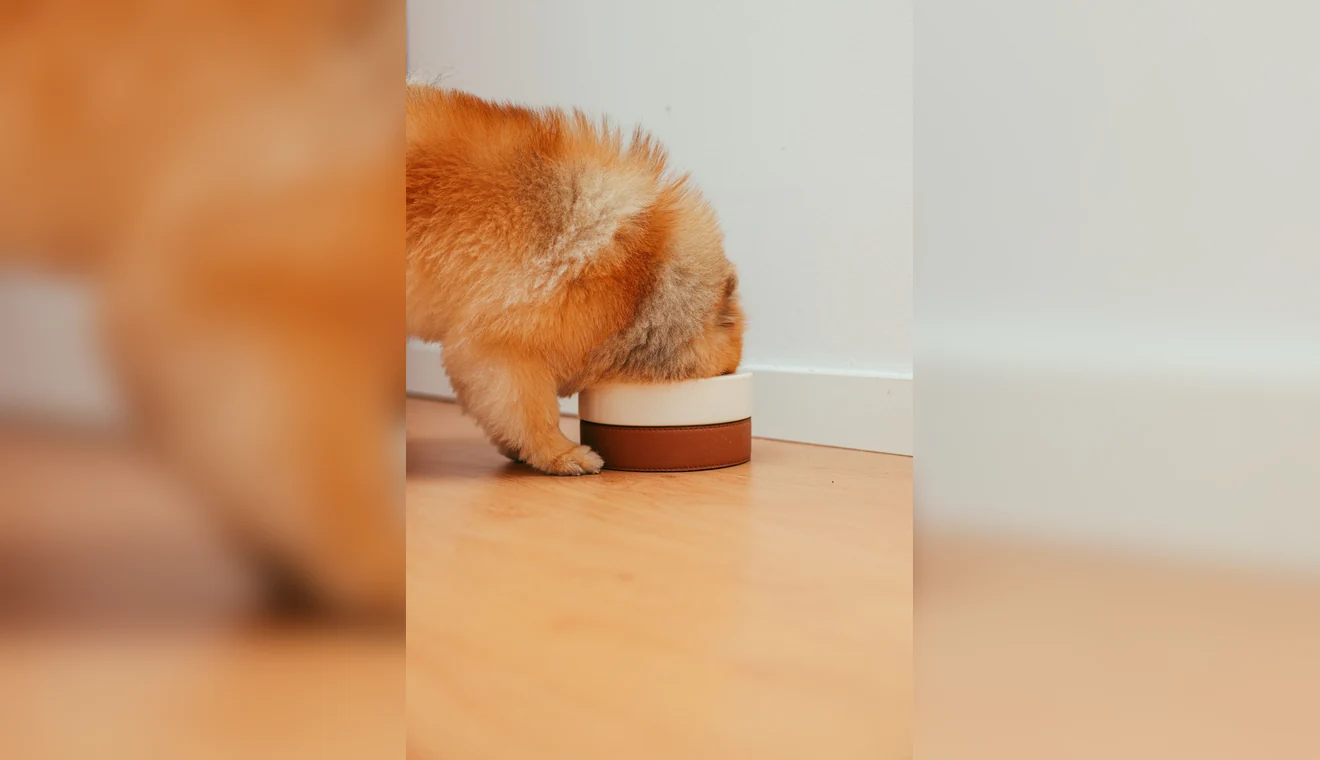
This schedule follows PDSA's puppy feeding guidance. Don't assume a tiny breed, a rapidly growing giant-breed puppy or one with a medical condition should always follow exactly the same timetable without veterinary advice.
A simple age-by-age schedule
| Puppy age | Starting meal frequency |
|---|---|
| 8–16 weeks | Four small meals daily |
| 16 weeks–6 months | Three meals daily |
| Six months and older | Usually two meals daily |
These are meal frequencies, not portion sizes. The puppy's complete food label and expected adult size guide how much it should eat over the whole day. PDSA recommends dividing that allowance into the planned meals rather than adding extra food each time you offer a bowl.
As your puppy grows, our adult dog feeding schedule explains how many healthy adults move to two measured meals a day.
Why young puppies need small frequent meals
Very young puppies have limited stomach capacity and high energy demands as they grow. Several smaller meals are often easier to manage than one or two enormous portions. PDSA notes that small frequent meals help avoid discomfort from overeating.
Keep meals calm and predictable. You don't need elaborate feeding gadgets or a new brand each week; a complete puppy diet suitable for the expected adult size matters most. Always keep fresh drinking water available.
How much should each meal contain?
Start with the daily amount on the chosen puppy food packet for your puppy's age and expected adult weight, and divide it by the number of meals. Use a kitchen scale: a heaped cup of dry kibble can vary considerably from one scoop to another. Treats and food rewards count towards the daily allowance.
Check body condition and weight trends with your vet as the puppy grows. If it becomes thin, unusually round or has inconsistent stools, discuss the diet rather than doubling the feed based on appetite alone. Puppies can be enthusiastic eaters without needing unlimited food.
Example routine for an eight-week-old puppy
You might divide the day's ration across breakfast, late morning, mid-afternoon and early evening, keeping intervals reasonably consistent. Pick times the household can realistically maintain. You don't need to wake a healthy sleeping puppy every hour to offer food.
Plan toilet opportunities around waking, meals, play and sleep. Our puppy toilet-training guide covers why that routine helps. Food doesn't need to be withheld to prevent an overnight accident; manage toileting and meal timing appropriately.
Moving from four meals to three
As your puppy approaches 16 weeks, PDSA's guide moves towards three daily meals. Shift gradually if your puppy is comfortable, combining portions rather than suddenly reducing daily calories. The total allowance may also change as the puppy grows, so check the packet and body condition again.
Some breeds and individuals need a different schedule for medical reasons. Ask your vet before changing a tiny puppy prone to weakness or one recovering from an illness. The aim is sustainable nutrition, not strict adherence to a calendar.
When to reduce to two meals
From around six months, many puppies do well with two meals spaced through the day, according to PDSA's general chart. Blue Cross describes a similar transition, although exact age ranges differ a little between its resources. There's no requirement to compress all food into one big meal.
Large and giant breeds may grow for a long time, and feeding an appropriate growth diet can remain important beyond six months. Ask your vet when to switch to adult food instead of assuming 'two meals' means 'adult nutrition'.
Choosing a complete puppy food
Look for a product labelled complete and suitable for the puppy's life stage and expected adult size. Puppies need the right balance of energy, calcium, phosphorus and other nutrients for growth. Avoid routinely topping up a complete diet with calcium powders or high-calorie human foods unless advised by a professional.
Blue Cross explains that complete commercial puppy diets are designed to meet nutritional needs. A homemade recipe without specialist formulation can be unbalanced, even when the ingredients sound wholesome.
Wet or dry: does the schedule change?
You can feed an appropriate wet, dry or combined complete diet, but gram-for-gram calorie density varies. A small handful of dry kibble may contain more energy than a larger portion of wet food. When mixing products, calculate the combined daily amount so your puppy isn't unintentionally overfed.
Keep bowls clean and remove perishable leftovers promptly. Wet food should not sit in a warm kitchen all afternoon. For an anxious new arrival, a familiar food and predictable feeding place can help it settle.
How to change puppy food safely
If the breeder or rescue provided a suitable complete food, don't feel pressured to switch brands the first day the puppy comes home. If changing is appropriate, introduce the replacement gradually while monitoring appetite and stools. Our dog food-transition guide explains the general 10–14-day approach used for many healthy dogs.
A puppy with repeated vomiting, diarrhoea, significant lethargy or refusal to eat needs prompt veterinary advice rather than another brand experiment.
Treats, training and feeding portions
Reward-based training is useful, but many tiny treats can add up quickly. Set aside part of the normal kibble allowance for easy practice such as name response, recall and calm handling. Save richer rewards for appropriate moments and keep them modest.
Our puppy biting-hands guide covers gentle play and redirection. Feeding extra snacks to interrupt every bite is not a substitute for meeting the puppy's rest, play and chewing needs.
Should puppies eat before exercise?
Avoid intense activity immediately after a large meal. Blue Cross recommends allowing time for digestion before strenuous exercise because vigorous activity after eating can cause problems, particularly in susceptible breeds. Calm toilet breaks and ordinary movement are different from running hard after a full bowl.
If a puppy repeatedly regurgitates, vomits or seems uncomfortable after eating, speak to the vet. Don't assume changing the bowl height or buying a slow-feeder will fix an underlying disorder.
What if your puppy won't finish a meal?
A small occasional leftover may reflect adjustment or portion size, but a young puppy refusing food can become unwell quickly. Check energy, hydration and toileting. Contact your vet promptly if it misses meals and seems weak, vomits, has diarrhoea or is unusually sleepy.
Don't leave a highly perishable meal out for hours to tempt it. Use a short regular opportunity to eat, then remove leftovers and seek advice when appetite changes. Avoid force-feeding without veterinary instruction.
Keep the routine flexible but consistent
Choose meal times you can maintain, weigh the day's complete ration, divide it by the age-appropriate frequency and review progress as your puppy grows. Keep water available at all times. The routine should make feeding calmer and easier to measure—not turn every small change in appetite into a complicated spreadsheet.
Sources and further reading
- PDSA: How much and how often should I feed my puppy? — age-based four-, three- and two-meal guidance, plus portion weighing.
- Blue Cross: What should I feed my puppy? — complete puppy food and meal routines.
- Blue Cross: Feeding your dog — portions and life-stage nutrition.