Rabbit Diet Guide: What to Feed Every Day (UK)
The colourful bags of rabbit food in a pet shop can make feeding look complicated. In reality, the most important part of a healthy rabbit's diet is not the bag at all. It is good-quality hay or grass available throughout the day and night.
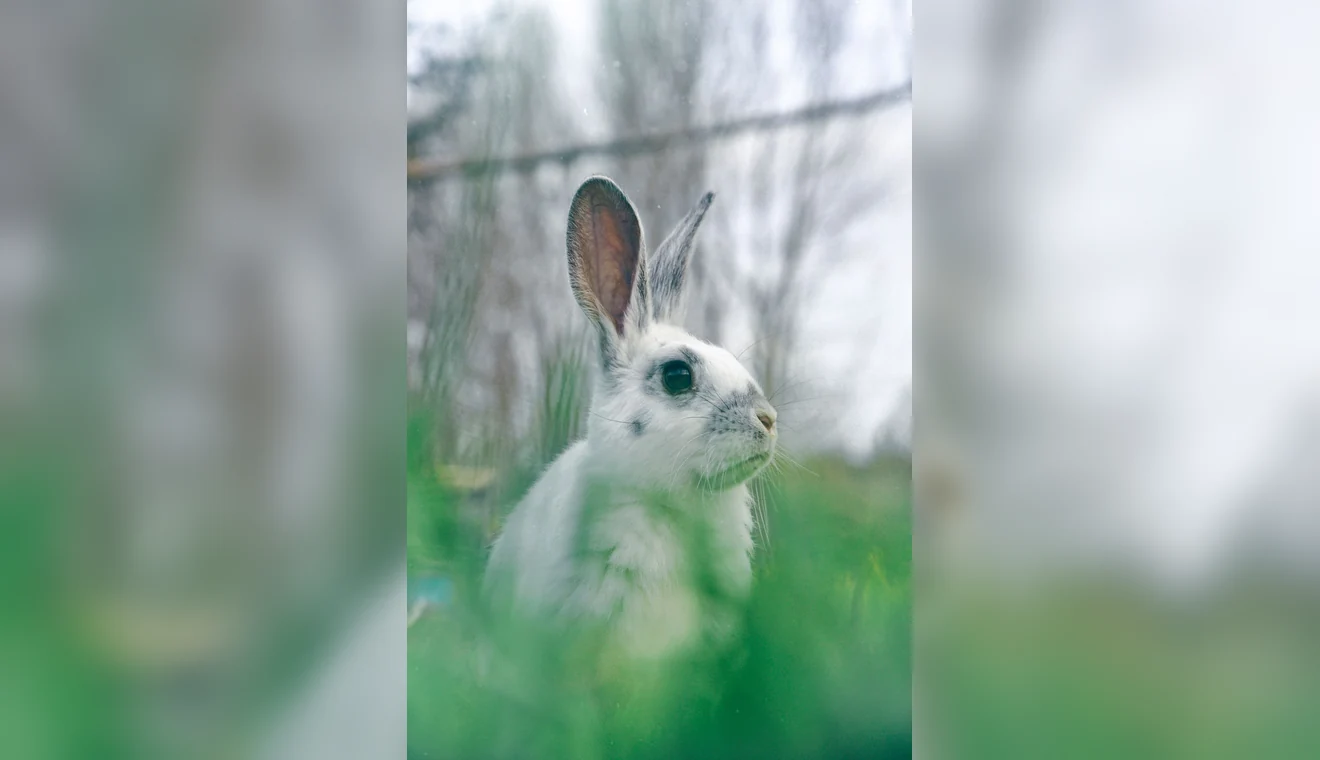
Rabbits are natural grazers. The constant chewing helps wear down their continuously growing teeth, and the fibre helps keep their digestive system moving. A carrot is an occasional treat, not a daily staple.
The everyday feeding balance
A useful guide from the Rabbit Welfare Association & Fund is approximately 85% hay or grass, 10% leafy greens and 5% high-fibre pellets or nuggets. These are broad proportions rather than a menu to weigh gram by gram.
The essential rule is that a rabbit should never run out of hay. Unlike a bowl of nuggets, hay is not something to ration tightly to control appetite.
Offer fresh, clean drinking water at all times. Many rabbits prefer a sturdy bowl because it allows natural drinking, though a safe bottle may be used if appropriate. Check water at least twice daily and prevent freezing in winter.
Choosing hay that rabbits want to eat
Look for hay that smells fresh, is reasonably green or golden, and is free from mould, dampness and excessive dust. Timothy hay and meadow hay are common options.
Give several generous piles in different areas, not only one tightly packed rack. Placing hay close to a litter tray often encourages rabbits to graze while they toilet.
If a rabbit eats very little hay, don't simply compensate with extra pellets. Ask a rabbit-savvy vet to check teeth and investigate the reason.
Fresh, untreated grass is also useful, introduced gradually. Never offer lawnmower clippings: they heat and ferment rapidly and may cause serious digestive upset.
Which leafy greens are suitable?
A varied selection of safe washed greens can include romaine lettuce, spring greens, rocket, watercress, coriander, basil, mint and appropriate dandelion leaves.
Introduce one unfamiliar plant at a time in a small amount. Watch stools and appetite, then gradually diversify. A rabbit that has lived on pellets and carrots needs a careful transition, not a sudden enormous bowl of greens.
Only forage plants you can identify confidently from areas free of herbicides and contamination. Bluebells, foxgloves and other garden plants may be poisonous.
Why commercial pellets should be measured
Pellets help supply nutrients, but an unlimited bowl can crowd hay out of the diet. Choose a consistent, high-fibre nugget made for rabbits.
Avoid colourful muesli-style mixes. Rabbits may select their favourite pieces and leave the rest, producing an unbalanced intake.
The correct amount depends on size, age, health and the product. The Rabbit Welfare Association & Fund advises approximately 15 g of nuggets per kilogram of body weight for healthy adults; follow veterinary guidance if your rabbit is growing, underweight or ill.
Scatter some pellets to encourage foraging instead of placing everything in one bowl.
Example: feeding an adult 2 kg rabbit
The Rabbit Welfare Association & Fund recommends a diet of approximately 85% hay or grass, 10% suitable leafy greens and 5% measured pellets, while adjusting for the individual rabbit.
For an otherwise healthy adult weighing 2 kg, its pellet guideline of 15 g per kilogram of body weight works out to about 30 g of nuggets per day. Weigh them rather than guessing by the size of the bowl. A vet may advise a different amount for a young, pregnant, underweight or unwell rabbit.
Keep fresh hay freely available throughout the day and night. Offer a varied choice of suitable leafy greens and herbs, introduced gradually. Use herbs such as coriander, basil or mint for variety rather than treating fruit as the main vegetable.
This is an example of an adult feeding pattern—not a prescription for every breed or health condition. If your rabbit is under veterinary care for dental, gut or weight problems, follow its individual diet plan.
What about carrots, fruit and treats?
Carrots are high in sugar compared with everyday leafy forage. A small piece can be offered occasionally, but a carrot-shaped cartoon menu is a poor diet plan.
Fruit should also be limited to occasional small treats. Avoid commercial snacks with added sugar, honey, cereal or dairy products.
Don't substitute treats for hay because a rabbit seems to enjoy them more. Preference is not a reliable guide to nutritional needs.
Diet changes must be gradual
A sudden shift in pellets, hay or greens can upset digestion. Transition slowly over several weeks when possible, particularly if the rabbit has been eating an inappropriate diet.
If you want to reduce pellets and increase hay, ask a vet about the appropriate pace. Monitor appetite, body weight and droppings during changes.
A rabbit who stops eating or producing droppings needs immediate veterinary help. Read our urgent guide to a rabbit not eating before assuming it is ordinary fussiness.
Feed rabbits in a way that encourages natural behaviour
A rabbit's day should contain plenty of time spent searching and chewing. Scatter suitable greens, hide small portions of nuggets among clean hay and rotate safe forage locations.
Multiple feeding areas help when rabbits live with companions. One dominant animal should not be able to block access to all food and water.
Check that each rabbit is actually eating. A shared bowl may become empty even if one pet is missing meals.
Weight and body condition matter
Rabbits come in very different sizes, so a healthy weight cannot be taken from a single online table. Your vet can demonstrate body condition scoring and help set suitable pellet portions.
Regular weigh-ins can reveal gradual changes. Reduced appetite, fewer droppings or weight loss deserve investigation even when the animal still looks fluffy and comfortable.
Dental disease and obesity can both be associated with poorly balanced diets. High-fibre feeding supports health but cannot treat an existing painful tooth.
A simple daily routine
In the morning, refresh hay and water, remove soiled food and offer a measured ration of pellets with some greens. Check every rabbit's behaviour and droppings.
During the day, top up hay in several places. In the evening, repeat food and water checks and provide a varied, suitable portion of greens.
Keep hay dry, clean bowls regularly and store pellets according to the manufacturer's instructions.
Questions owners ask
Can rabbits live on pellets alone?
No. Pellets cannot replace the large amount of fibrous forage rabbits need for healthy teeth and gut function.
Is iceberg lettuce good for rabbits?
It has little nutritional value compared with more suitable greens and is not a recommended staple. Offer a varied selection of better leafy plants.
How much hay should one rabbit eat?
Unlimited access is the key. The RSPCA suggests at least a rabbit-sized bundle each day as a rough indication, but always top up before supplies run low.