Dog Shedding a Lot: Normal Moulting or a Skin Problem?
A sofa covered in dog hair isn't necessarily evidence of poor health. Many dogs moult seasonally, and some breeds shed heavily throughout the year. The key question is whether the coat remains healthy or whether your dog is developing bald patches, irritation, pain or a sudden change in hair loss.
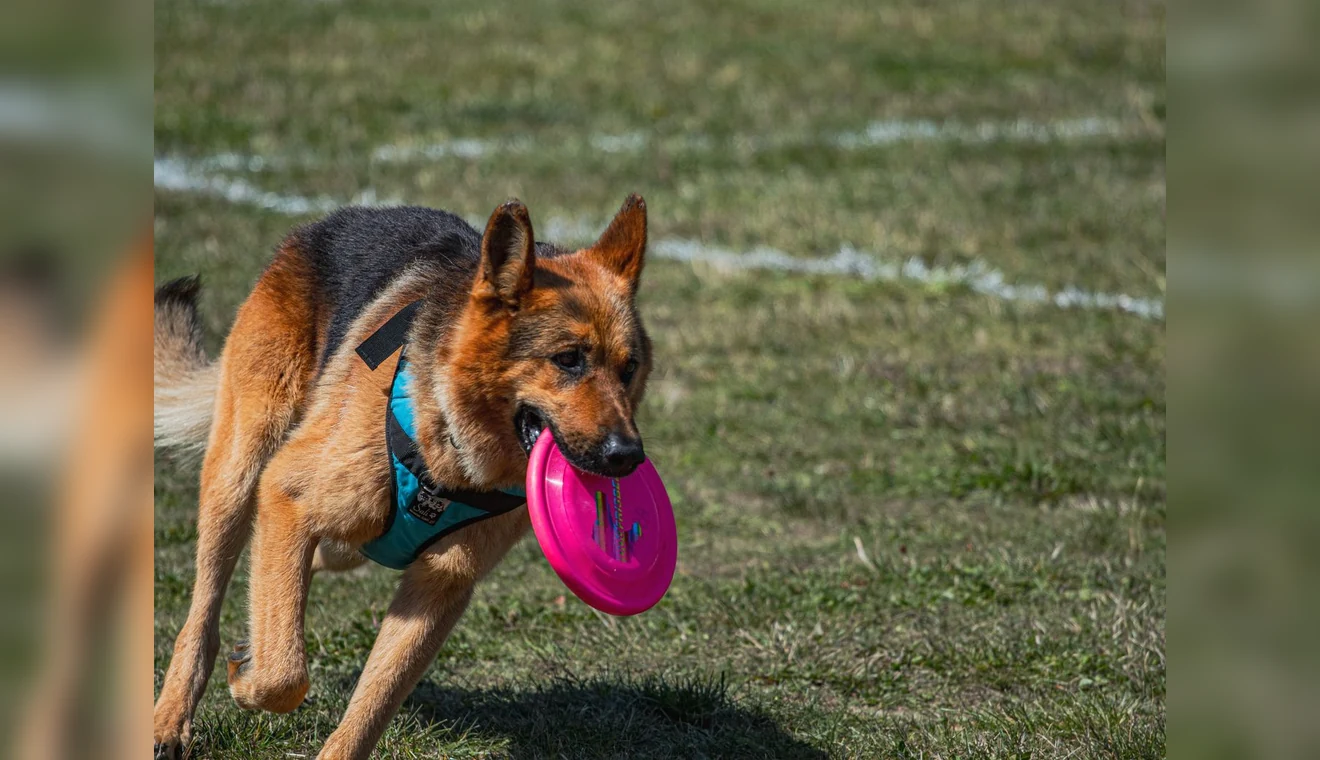
PDSA distinguishes normal moulting from alopecia, which means abnormal loss of hair. A dog shedding loose fur with no skin problems is very different from one scratching until patches become raw. Start by checking the coat and skin rather than simply buying the most aggressive de-shedding tool available.
What normal moulting looks like
Dogs replace hair through natural growth cycles. Some have thick undercoats that release large quantities of soft hair as seasons change. Other breeds shed more evenly across the year. The amount varies with breed, genetics, environment and indoor heating. A brush may fill rapidly during normal moulting while the dog's coat still looks full.
You shouldn't see new bald patches or inflamed skin as a consequence of ordinary seasonal shedding. Watch the pattern rather than counting hairs on a single grooming day.
Signs that suggest something is wrong
Patchy or symmetrical baldness, red skin, scabs, excessive licking, strong odour or a coat becoming thin in an unusual location merits a veterinary check. PDSA lists parasites, allergies, skin infection and hormonal conditions among possible causes of alopecia. Weight or thirst changes may give additional clues.
If the dog starts scratching intensely, check for fleas and other parasites as directed by your vet. Our dog flea treatment UK guide covers suitable parasite products and why household control may matter.
How to tell shedding from hair breakage
Normal shed hairs come loose as part of the hair cycle. Repeated chewing or rubbing can break hair shafts and produce shortened patches, often around paws, flanks or tail. A dog licking its skin may be doing so because of itch or pain, even if it never scratches with a foot.
Look for saliva-stained fur, soreness, scabs or a clear focus for the dog's attention. Our dog itchy paws guide covers the foot-licking pattern. Don't treat damaged skin as a grooming problem alone.
Brushing without damaging the coat
Choose a brush or comb suited to the breed and coat type, and work gently in short sessions. A slicker brush useful for one dog may irritate another; a short smooth coat rarely needs the same equipment as a dense double coat. Stop if the skin becomes red or the dog withdraws.
Our dog grooming at home guide explains how to build handling tolerance. Grooming should remove loose fur and reveal skin problems, not scrape or pull out healthy hair.
Should you shave a heavy-shedding dog?
Not automatically. Many double-coated dogs rely on their coat for insulation and protection, and close shaving can affect regrowth and expose skin. Ask a qualified groomer or vet about the individual coat rather than using clippers as a quick solution to hair on the carpet.
Bathing should also suit the dog's skin and coat. Frequent harsh shampooing can make dry or itchy skin worse. A well-fitted routine is more useful than repeated 'deep deshedding' whenever furniture becomes hairy.
Diet and coat health
A balanced complete diet supports normal coat growth, but more supplements aren't automatically better. If a dog has a nutritional deficiency or other disease, the vet can decide whether dietary treatment is needed. Avoid buying oils or powders because an advert promises to eliminate moulting.
Our senior dog diet guide explains matching food to body condition and health, rather than age claims. If you suspect food allergy because of itching, an appropriate veterinary assessment is more reliable than repeatedly changing brands.
Skin disease and allergies
Fleas, mites, environmental allergies and infections can lead to itching and hair loss. Some hormonal conditions cause coat thinning without the same amount of scratching. PDSA's alopecia guidance stresses that a vet may need to investigate the cause; there is no single home remedy for all patterns.
Note where hair is thinning, whether the dog has an unusual smell, and whether appetite or energy has changed. Photographs over several weeks can help show progression if the dog is otherwise stable.
Making grooming easier at home
Work in a well-lit area, check for sore spots and give your dog breaks. A washable throw on favourite resting places and regular vacuuming help manage household fur without affecting the animal. Introduce grooming equipment gradually so your dog doesn't learn to run away when the brush appears.
Never restrain a struggling dog for a prolonged session or use a blade aggressively against the skin. If mats are tight, ask for professional grooming rather than cutting them out with scissors.
What the vet may check
A vet may examine skin and hair, consider flea control, ask about itch and review health history. Tests can include skin samples or blood work where appropriate. A painful, smelly or infected area may need prompt treatment. The diagnosis determines whether medication, parasite control or a longer-term management plan will help.
A dog with substantial baldness after several weeks should not be left untreated simply because it still has a good appetite.
A realistic coat-care plan
Brush appropriately for the breed, check skin every session, keep parasite prevention suitable and maintain a complete diet. Expect some hair in the house, especially during seasonal moulting. Seek a vet's opinion for bald patches, soreness, a sudden change or persistent itch.
Loose hair alone can be normal; damaged skin or an altered coat deserves investigation. The distinction will save time, money and unnecessary treatments.
When seasonal shedding changes suddenly
A dog that has always filled the vacuum cleaner each spring may simply be moulting normally. The pattern is less reassuring if you suddenly see thin patches over the flanks, a tail that looks bare or skin that smells unpleasant. Compare photographs taken a few weeks apart in similar light, including the tail base, belly and areas behind the ears. If the coat has changed after a new medication, illness or weight loss, mention that history to your vet rather than treating it as a grooming inconvenience. Never use human hair-growth products on a dog, and avoid shaving a coat to hide patchiness before an examination. The vet needs to see where hair has been lost and how the underlying skin looks.
Research and further reading
- PDSA: Hair loss (alopecia) in dogs — normal moulting versus abnormal hair loss.
- PDSA: Itchy skin in dogs — common parasite and allergy-related itch.