Ferret Diet UK: What to Feed, What to Avoid and Daily Routine
Ferrets need a very different diet from rabbits, guinea pigs and even dogs. They are obligate carnivores with a short digestive tract and a high need for animal-based nutrients, so generic small-animal muesli, fruit and vegetable treats are inappropriate. A complete commercially prepared ferret food is the practical foundation recommended by UK welfare organisations.
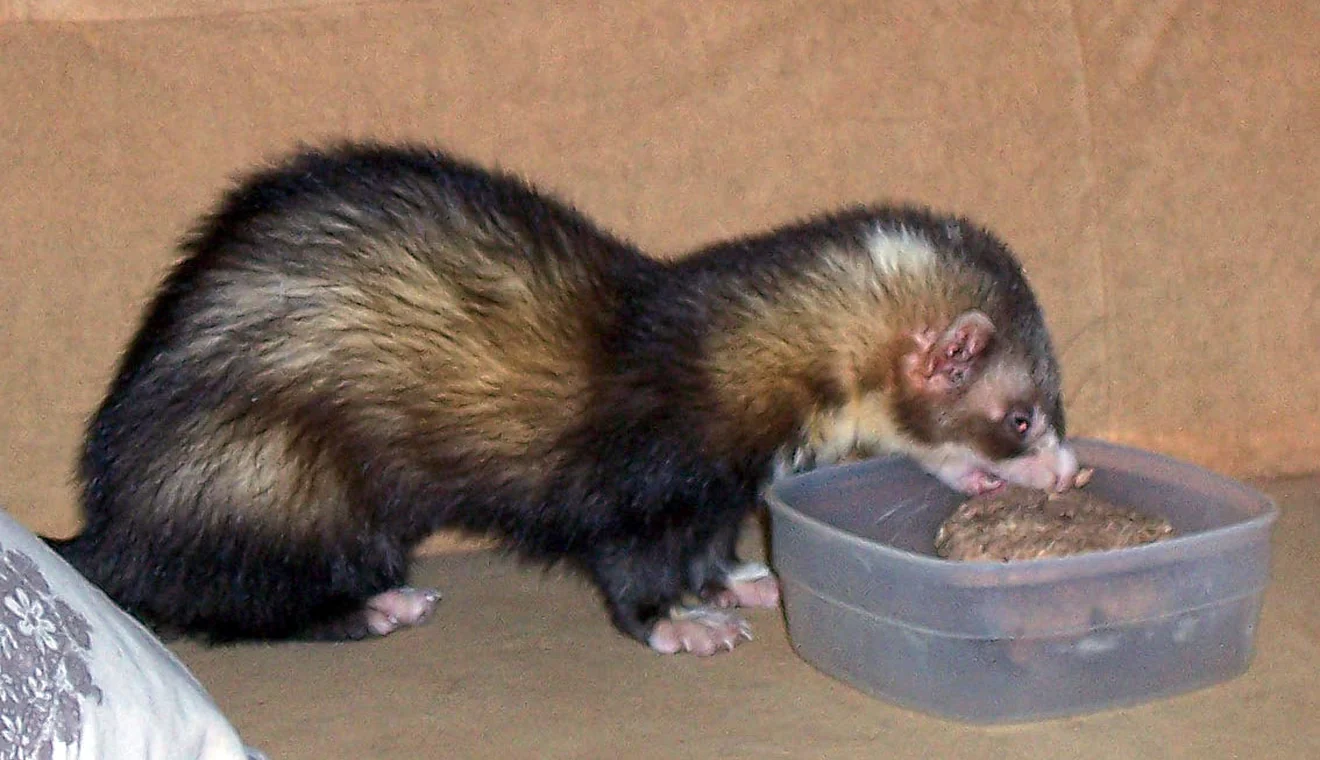
RSPCA and PDSA guidance also stresses access to fresh water, frequent small meals and careful monitoring when a ferret shares its food with other animals.
What do ferrets eat naturally?
Ferrets are carnivores. Their digestive system is adapted to digesting animal-based foods rather than a diet rich in plant fibre or starch. Domestic ferrets need a suitable balance of protein, fat, vitamins and minerals to maintain health. The simplest way to achieve this consistently is a complete food specifically formulated for ferrets and appropriate for their age and circumstances. Avoid feeding based on guesswork from social media recipes.
Is commercial ferret kibble a good option?
PDSA recommends complete ferret kibble as a reliable way to meet nutritional needs. Choose a reputable formulation labelled for ferrets and follow its feeding directions while considering the animal's weight, activity and health. Store dry food in a cool, sealed container and check expiry dates. Not all products sold for 'small pets' suit ferrets, and colourful mixes intended for omnivorous rodents are not suitable substitutes.
Why do ferrets need to eat often?
Ferrets have a high metabolic rate and a relatively short digestive tract. RSPCA advises making suitable food available throughout the day, allowing little and often feeding. PDSA similarly recommends leaving a measured daily portion of appropriate kibble accessible for grazing. This does not mean the bowl should be endlessly topped up regardless of body weight. Monitor how much is actually consumed, particularly where several animals share a space.
How much food should you give?
The correct amount depends on the food's energy density, age, body size, reproductive status and activity. Use package guidance as a starting point, weigh portions and observe your ferret's body condition and weight trend. A growing young ferret or one recovering from illness may have very different needs from a sedentary adult. Ask a ferret-experienced vet for individual advice if the animal loses weight or seems constantly hungry.
Can ferrets eat cat or dog food?
PDSA advises that ordinary dog and cat foods are not suitable as the normal ferret diet, because nutrient requirements differ. Some specialist products may look similar but that does not make them nutritionally interchangeable. Choose a complete ferret formulation rather than a bargain bag intended for another species. If a supply problem forces a temporary alternative, speak to a vet before making an extended substitution.
What treats are appropriate?
Small amounts of suitable animal-based food may be offered occasionally, such as a little plain cooked chicken or cooked egg, provided these are appropriate for the individual. PDSA lists protein-rich, low-carbohydrate options and reminds owners to keep treats modest. Avoid salty processed meat, sugary snacks, chocolate, grapes and household foods that may cause harm. Treats should not displace the balanced daily ration.
Should you feed ferrets raw meat?
There are different feeding approaches in the hobby, but PDSA does not recommend raw meat because of infection and gastrointestinal risks, including Salmonella and Campylobacter that can affect pets and people. Homemade raw diets may also be nutritionally incomplete or contain inappropriate bones. If you are considering a change, seek advice from a vet with ferret experience rather than copying a recipe designed for cats or dogs.
Why should you avoid fruit and vegetables?
Ferrets are not adapted to a fibre-rich diet. Fruit, vegetables and cereal-based treats can contribute unsuitable carbohydrates and digestive problems, while displacing the nutrients ferrets actually need. Do not give raisins, sweetened yoghurt drops or other sugary products marketed for general small pets. RSPCA's advice focuses on a species-appropriate animal-based diet. Enrichment should come from safe play and foraging for normal food, not unsuitable snacks.
Is fresh water always necessary?
Yes. Ferrets need constant access to clean drinking water, and access should be checked at least twice daily. A heavy bowl can work well for some ferrets, and an appropriate water bottle may provide an additional source. Observe whether every animal can reach the water without being blocked by others. In outdoor housing, guard against frozen water in winter and excessive warmth in summer. A ferret that stops drinking or becomes lethargic needs veterinary advice.
Feeding ferrets together
Ferrets often live in pairs or groups, but one animal may steal food or prevent another from approaching the bowl. Offer multiple feeding points and monitor individual body condition. Do not assume the group is eating enough because the food dish empties quickly. Our Ferret Enrichment Guide includes activities that can be offered without turning feeding into a competition. Separate ill animals only with appropriate welfare and veterinary planning.
What about feeding during training?
Use tiny pieces of appropriate meat-based treats or part of the normal ration to reward calm handling and recall. Keep sessions short and account for rewards within the daily food allowance. Avoid creating a habit where every interaction requires high-calorie treats. Our Ferret Litter Training Guide explains how simple reward-based routines can work around natural ferret behaviour.
How should a new food be introduced?
Make changes gradually where medically appropriate because sudden diet switches may upset digestion or lead to refusal. RSPCA recommends gradual transitions, and your vet can help if the ferret is selective or has a medical condition. Start with small quantities of the new product alongside the existing complete food, then adjust at a comfortable pace. Never allow a ferret to go without adequate food for a prolonged period to force it to accept a new brand.
Do ferrets gain weight in winter?
Seasonal weight changes can be normal, and PDSA notes that some ferrets gain considerable weight for winter. Don't automatically put a ferret on a restrictive diet because it weighs more in autumn. Look at body condition, activity and the individual's usual seasonal pattern. Rapid change, a swollen abdomen or general illness warrants veterinary assessment. Monitor trends over time rather than chasing one number on a chart.
What if your ferret suddenly stops eating?
Contact a ferret-experienced vet promptly. Ferrets can deteriorate quickly when ill, and poor appetite may reflect dental disease, digestive obstruction, infections or other serious conditions. Don't wait several days for the animal to 'get hungry enough'. Note food and water intake, droppings, activity and any vomiting. Never force-feed without veterinary advice, particularly when an obstruction is possible.
Do ferrets need supplements?
A complete ferret food should provide the main nutrients required by a healthy animal. Adding vitamins, oils or calcium without veterinary guidance can create an imbalance. Ask a vet before using supplements marketed for coat shine or 'energy'. Sick, pregnant or recovering animals may have special needs, but these require a tailored plan. More nutrients are not automatically better, especially if the basic ration is already complete.
Keep the feeding area hygienic
Wash food and water dishes, remove spoiled fresh treats promptly and store dry food away from moisture or pests. If you feed cooked meat as a treat, do not leave it sitting warm in the enclosure. Ferrets may hide food in bedding, so check their favourite stashing spots during cleaning. Our Ferret-Proofing the House Guide covers hazards they may encounter when exploring, including household items they could chew or swallow.
A practical daily routine
Provide an appropriate measured allowance of complete ferret food for frequent feeding, clean water at all times and occasional suitable protein-based treats. Check consumption and droppings, keep bowls hygienic and monitor weight over weeks rather than days. Avoid high-fibre, sugary and processed foods, and seek veterinary help for appetite loss or unusual symptoms. A steady species-appropriate routine is better than constant experimentation with recipes.
Research and further reading
- RSPCA: what to feed your ferret — balanced diet, frequent feeding, water and food changes.
- PDSA: ferrets as pets — suitable commercial food, treats and risks of raw feeding.
- RSPCA: ferret health — signs that feeding changes may reflect illness.